Access to the Member Forum and other RAA Resources
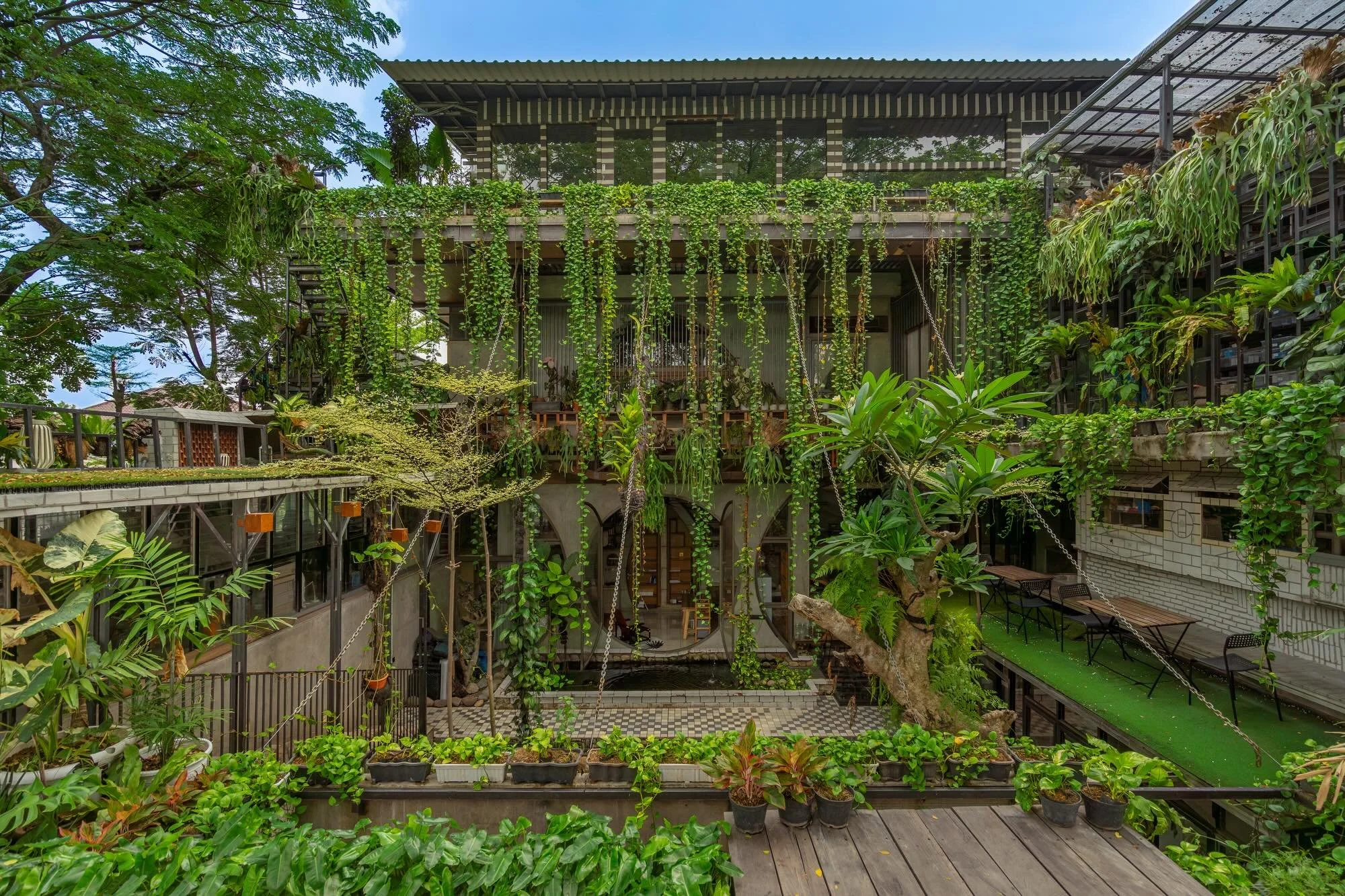
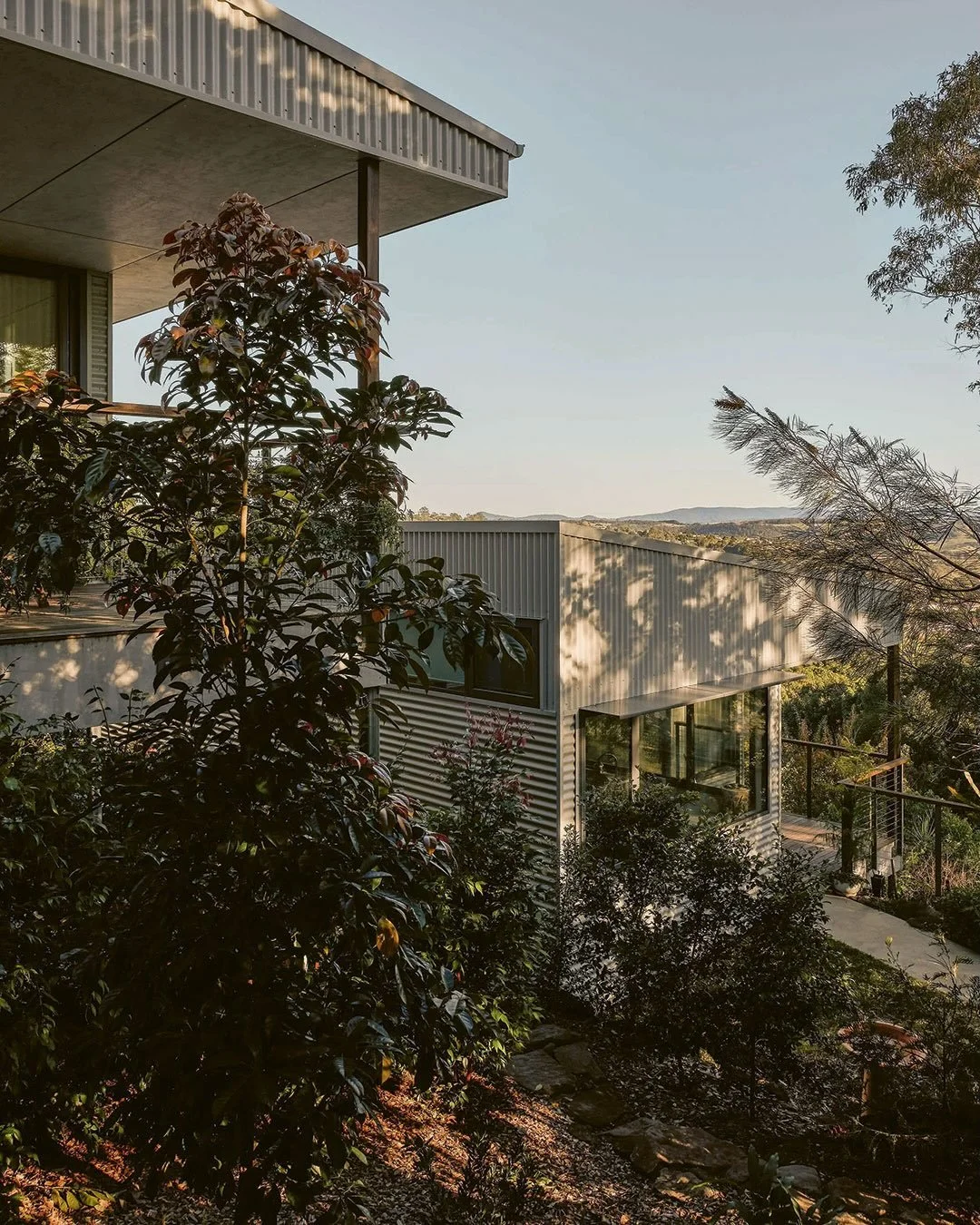
McLeans Ridge Lismore - Bundjalung Country - Image: Space Studio
Use code MemberFree25 to register for RAA online events.
Use code RAA15 for 15% off tickets for ACA national events only.
Members attending one of RAA’s in person events, can access a 10% discount on Non Member tickets for fellow practice staff. Enter code NonMember10 at checkout to apply this discount.

Member Directory
Meet your fellow members.
Get to know our members, their practices, location and specialities via our member directory and Connect with other members directly.

Technical Member Directory
Connect with our industry members.
Our Technical Members are experts in their fields working alongside regional practice; they are key supporters of architecture in the regions.

Resources
Tap into the shared knowledge of the regional architecture community and access our database of resources to support our members:
RAA documents
RAA submissions
Recordings of past events
Links to external resources
This area is under development and will be expanded over the coming months and beyond with your input.

Forum
Connect via our forum.
The RAA forum is now run on WhatsApp and allows members to tap into the combined experience of the regional architecture community and facilitates a way to discuss issues affecting regional practitioners. Follow the link above to join. The forum consist of a number of groups which you are able to join once you become a RAA forum member.
The forum will open in a new browser window.
Upcoming RAA Member Events
Join us online to celebrate 5 years of RAA, hear about the Strategic Plan and recap on some great achievements in 2025-26.
Wherever you happen to be on the day, we invite/challenge/dare you to get creative and geek out — cook an edible masterpiece (think London’s Great Architectural Bake off), pen a poem, dress up - NOT like an architect - or share any other off-beat architecture-adjacent idea you like!
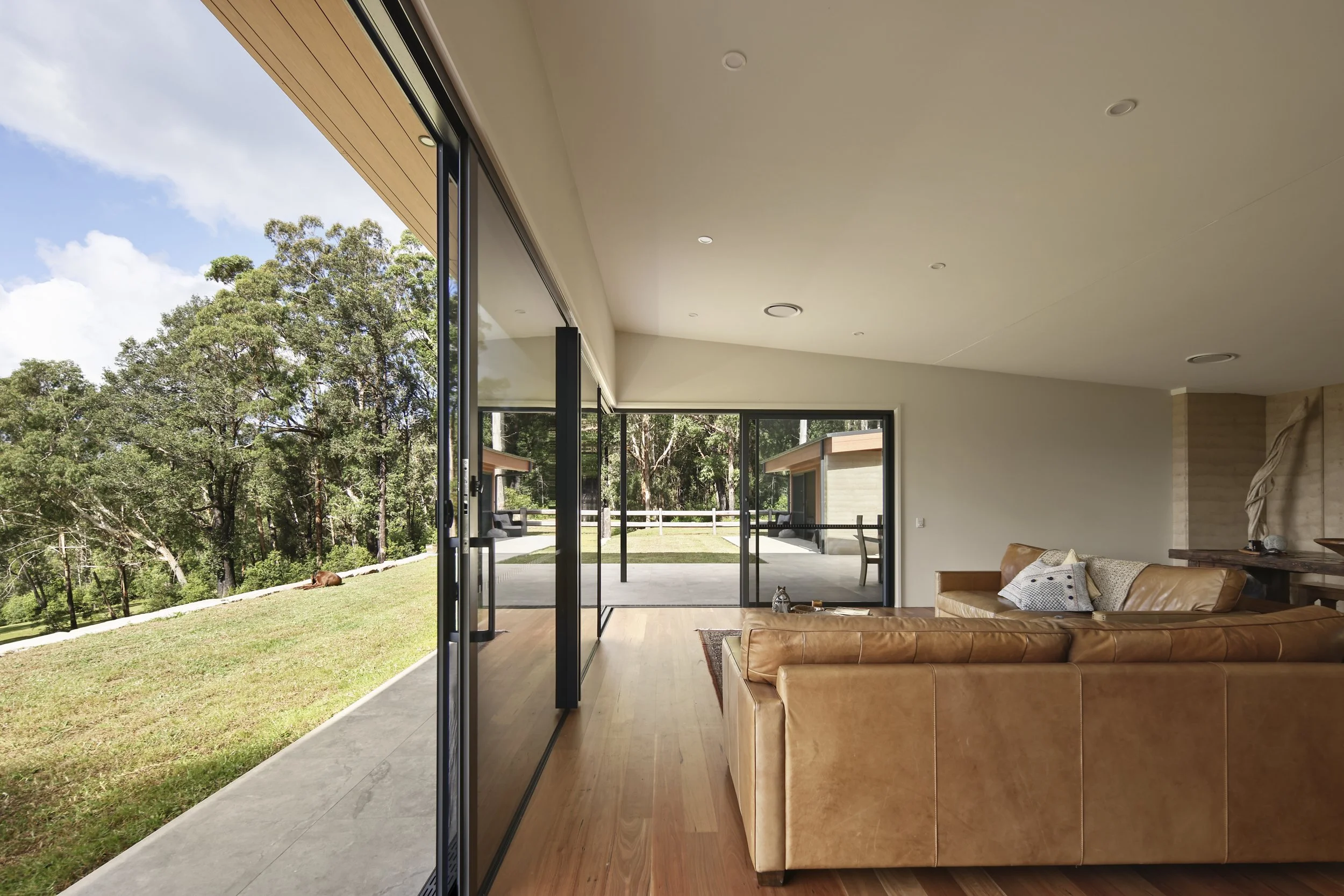
Regional Australia presents some of the country's most demanding building conditions. From coastal exposure and alpine climates to bushfire-prone landscapes and extreme temperatures, every project requires a considered approach to window and door systems.
Join AWS for this CPD session as we examine how climate, exposure and compliance influence window and door specification, helping architects deliver buildings that perform as beautifully as they look.
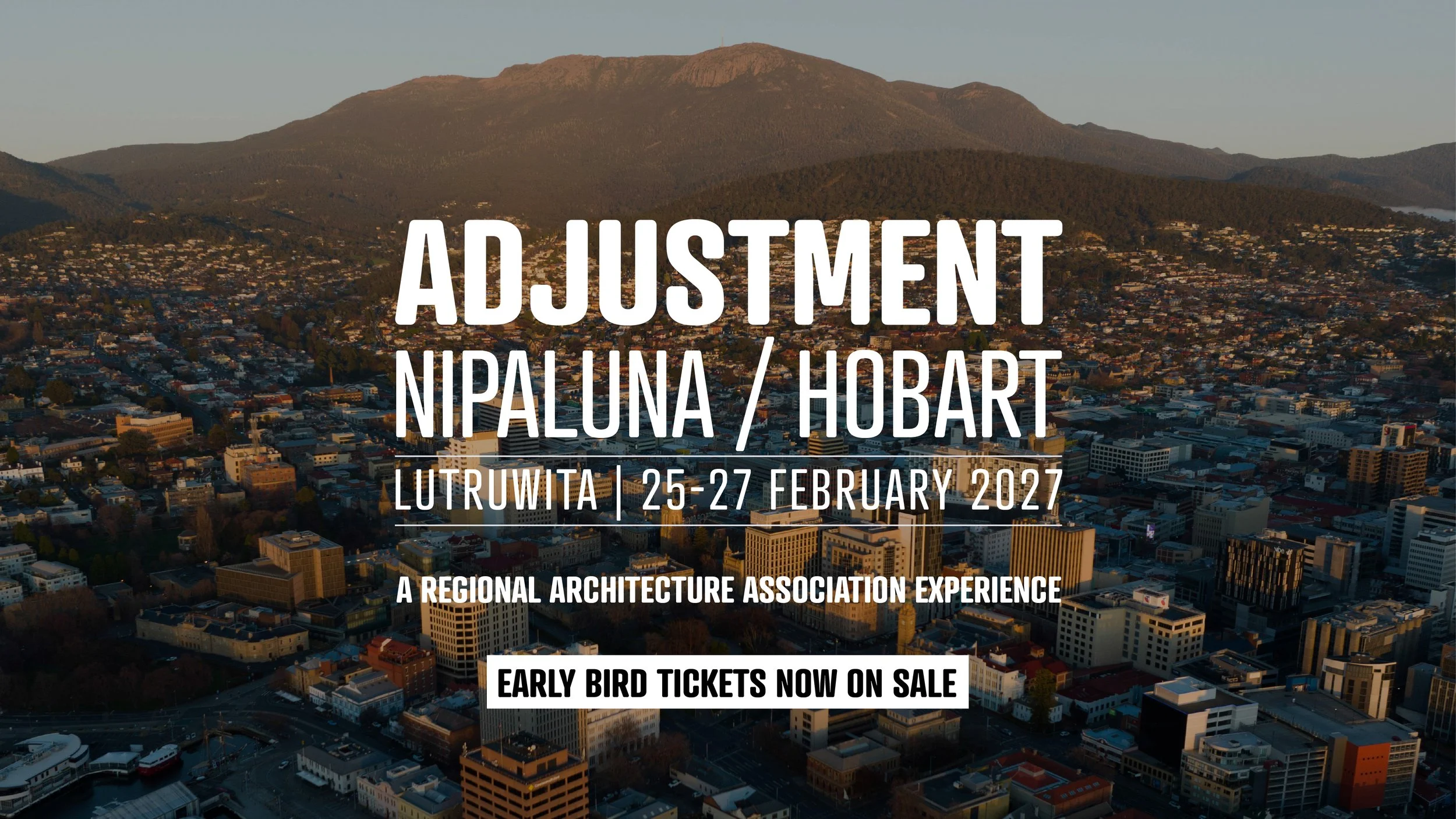
ADJUSTMENT asks that we look across the changing face of Tasmanian architecture and architectural practice, and provides examples of how we might respond. Not all contemporary challenges are covered, nor are all solutions provided. This event is a celebration of the modern working built environment professional. Whether through engagement in research, exploration of alternative ways of practice, whether we are measuring, intervening and applying restraint, each speaker provides a new perspective on how to make a building, or a practice, or a life, here.
Past RAA Events
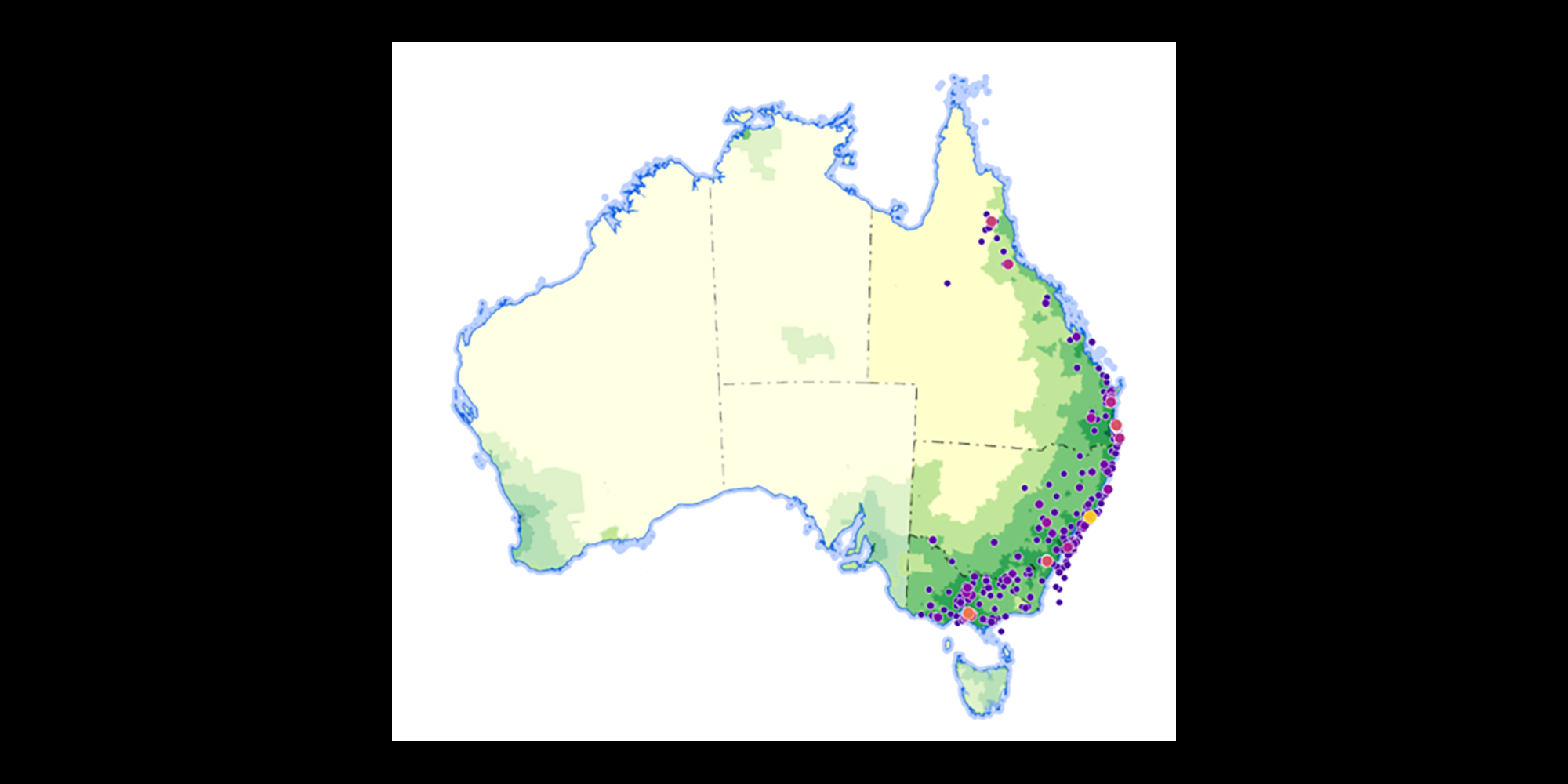
The session presents findings from RAA’s 2026 research project mapping the geographic spread of registered architects across regional Australia. The government-funded research is being undertaken by University of Tasmania PhD candidate and RAA intern, Hanna Shojaee Pour, supervised by RAA Secretary, Sarah Aldridge. Data has been built from state registers starting with New South Wales, ACT, Queensland, Victoria and Tasmania and reconciled against ABS regional classifications, with the aim of building a reliable and comparable picture of the regional profession’s scale and distribution.

One of the benefits of registration as an architect is the portability of the ‘licence’. Various mutual recognition agreements, both within Australia and internationally, support architects to work beyond their ‘home’ jurisdiction.
This session will provide you with some background on the role of the Architects Accreditation Council of Australia in negotiating mutual recognition agreements, an overview of agreements currently in place, and how to take advantage of these.
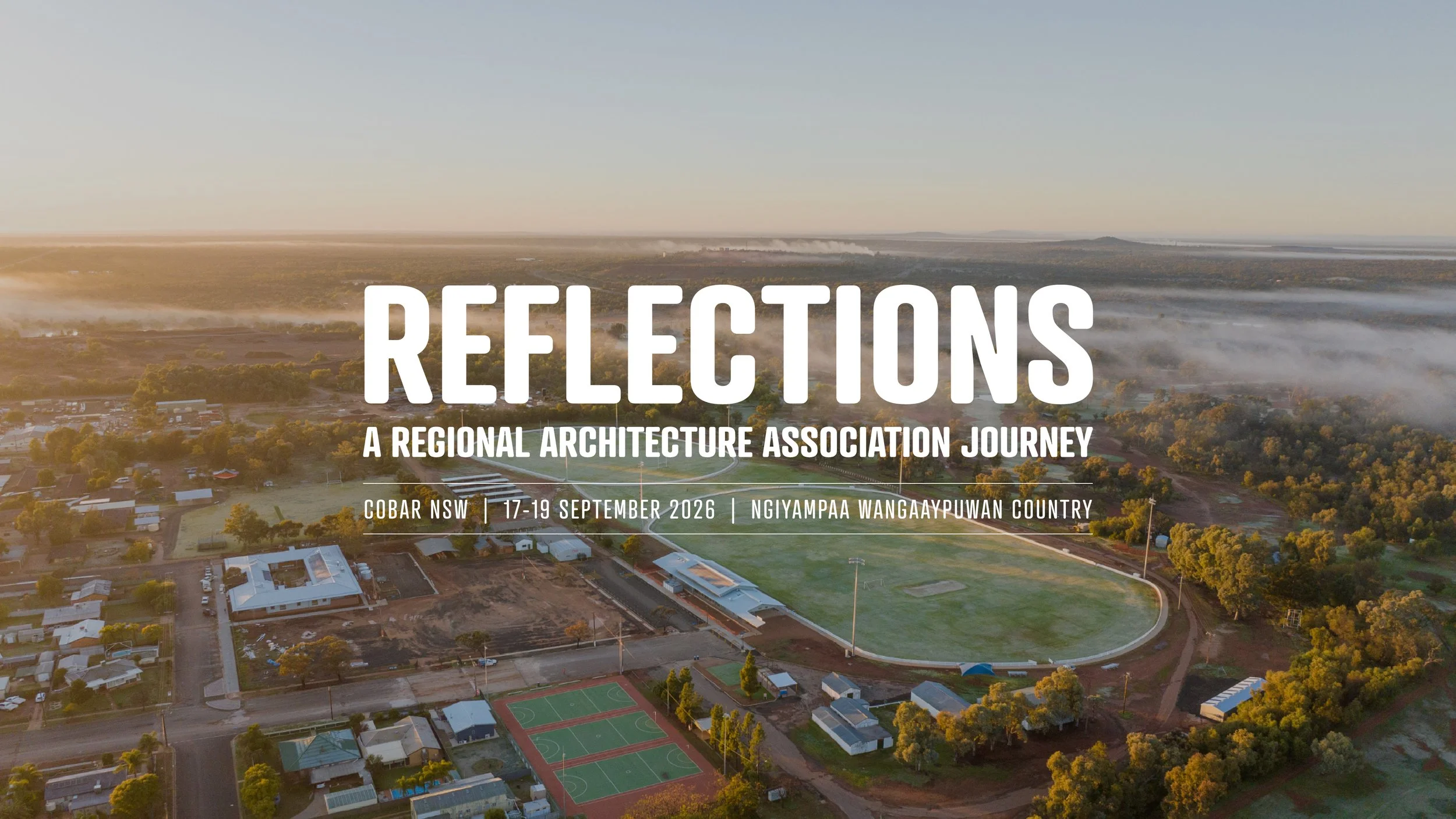
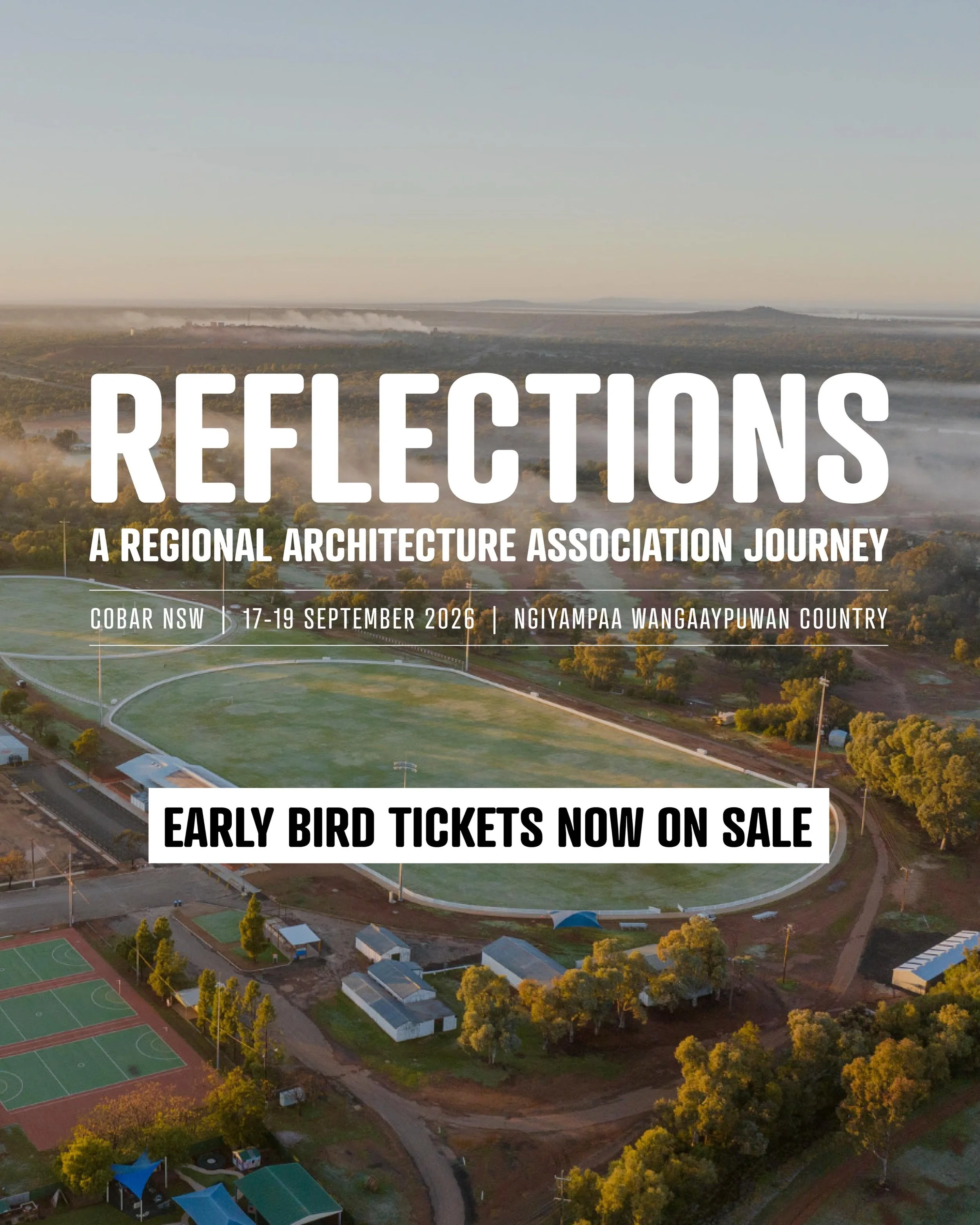
Join us in the unique outback setting of Cobar NSW on Ngiyampaa Wangaaypuwan Country for RAA’s final 2026 event.
Regional practice requires an agility and focus tied to location, environment and demography. As regional practitioners we are working across all aspects of architecture and architectural practice. Our influences and experience inform only a small portion of the placemaking and design programs we develop. Country, social, political and cultural demographics unique to regions underpin our governing subconscious, impacting our change and growth as designers and architects.
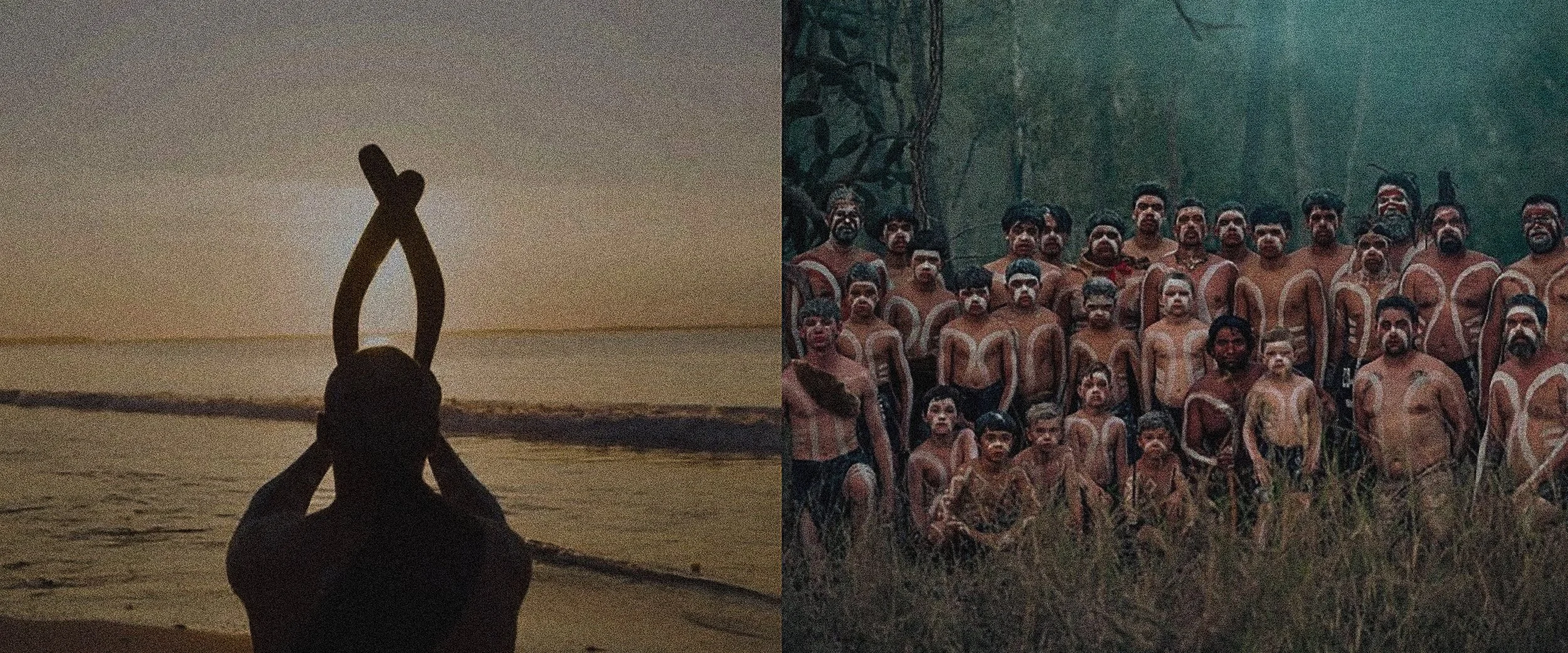
This online event is being held in the lead up to REFLECTIONS, to set the scene for the in person experience. Nigel Millgate and Mirjana Tann of Indigenous organisation and cultural business, Marring, will introduce the concept of Buwindyala, their Theory of Change. This is a Dharrawal-led framework that carries the mindset of the Ancestors into how your people decide, work and lead themselves and others. Change that starts within, and ripples out.

This session aims to provide valuable insight into the key aspects of glass selections, performance considerations and best practice for the design and construct project phases, ensuring essential glass knowledge for seamless integration into your projects.
It will cover the broad spectrum of all things glass, relative to both domestic and commercial product selection.

This presentation will provide an overview of Business NSW, our role in supporting businesses across regional NSW, and the work we do to advocate for stronger regional economies.
It will explore the critical link between housing and economic growth, the key barriers to housing delivery, and the policy reforms needed to unlock more homes, support local businesses and help regional communities thrive.

The ACA QLD/NT + Regional Architecture Association (RAA) are excited to present a new breakfast forum series: Business Matters, bringing together architects from metropolitan, regional and remote practices to discuss the realities of running an architecture business. The first in-person breakfast discussion on Wednesday 19 August will cover People, Culture & the Business of Talent.

Balconies are a popular feature in multi-residential buildings, offering occupants an appealing blend of indoor and outdoor living. However, these spaces present specific challenges in terms of drainage. Without effective water management systems, they are susceptible to water accumulation, which in turn, can lead to structural issues and building degradation.
In this CPD session, we look at why balconies leak and the drainage solutions that will prevent water accumulating and entering the indoor environment. We also consider the upcoming changes related to this field in the 2025 update of the National Construction Code (NCC).
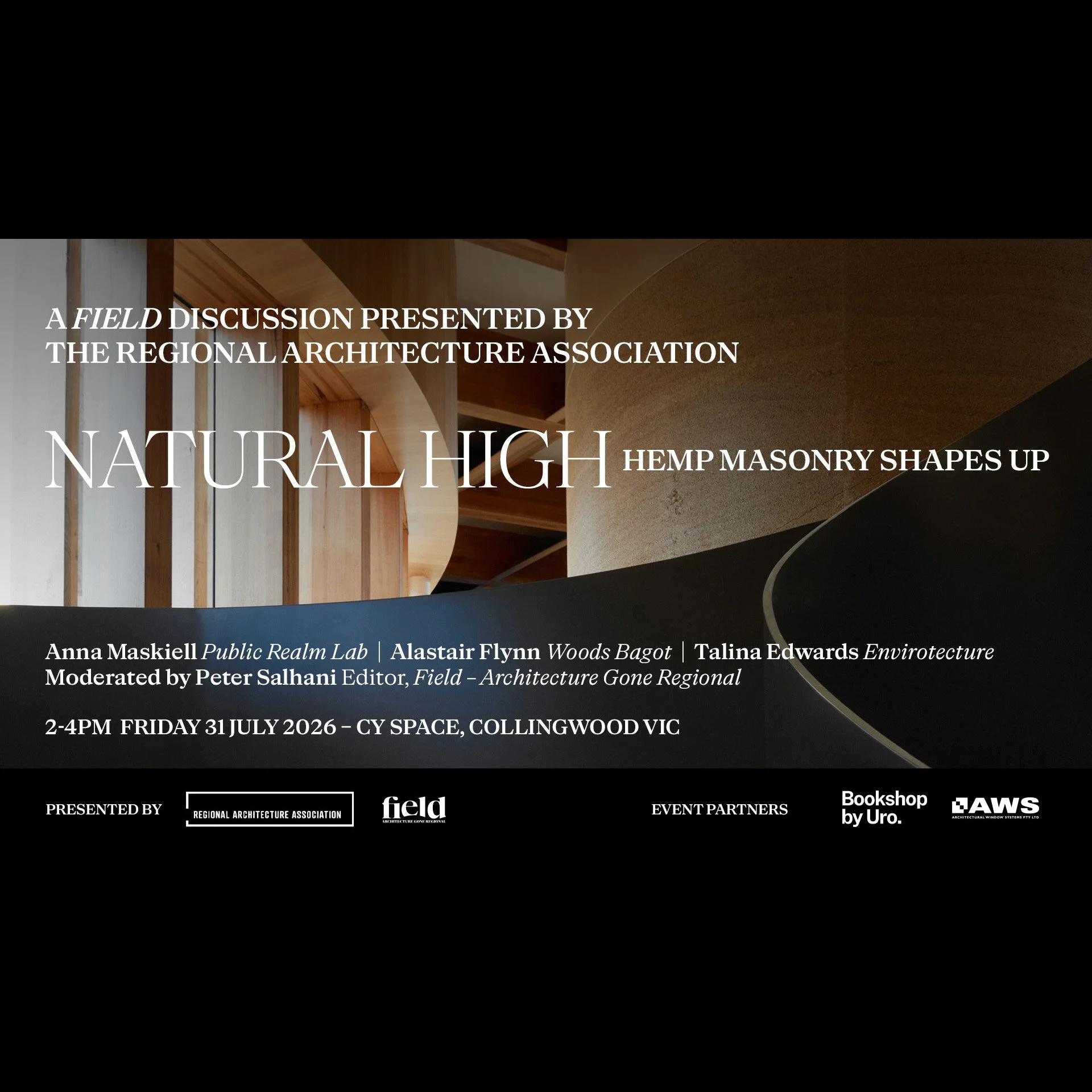
Join Anna Maskiell (Public Realm Lab), Alastair Flynn (Woods Bagot) and Talina Edwards (Envirotecture), in discussion about architecture using breathable, beautiful, carbon-sequestering hempcrete — one of our most sustainable building materials.
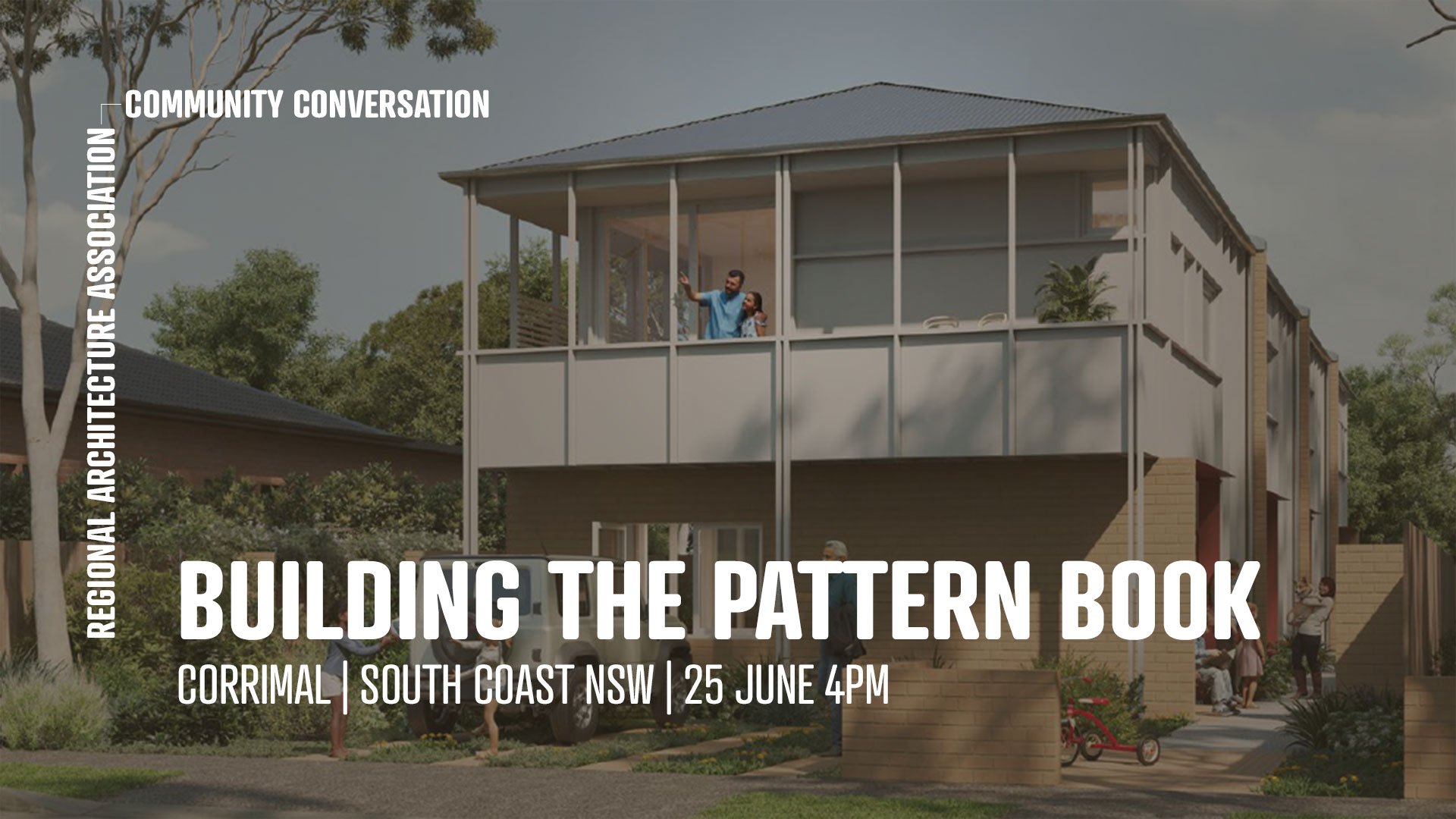
Join us as we take a look at the first built example of the NSW Housing Pattern Book's Row Homes 01 design by SAHA, currently under construction by builder Forrest Small Homes.
Led by James Forrest, this site visit offers a unique opportunity to see the project taking shape and gain firsthand insight into the delivery of one of the NSW Housing Pattern Book's early built outcomes. The project has already attracted significant interest from government and media, highlighting its role in demonstrating new approaches to housing delivery in NSW.
After the tour, we'll head to Resin Brewing to continue the conversation over a drink and a meal. We'd love you to join us.
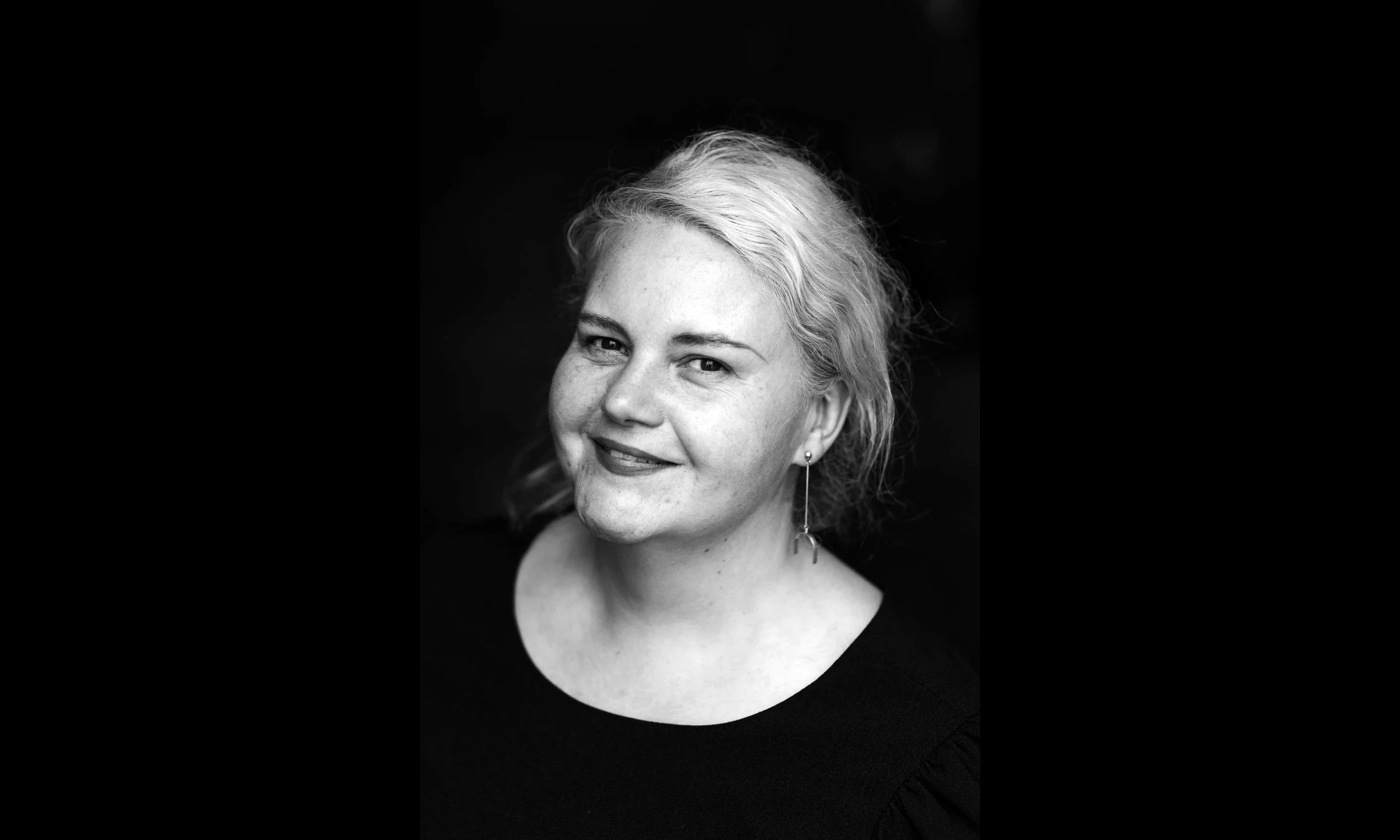
ArchiTeam CEO Phoebe LaGerche-Wijsman provides Regional Architecture Association members and audience with an overview of their role in supporting small and medium architectural practices, with a particular focus on the needs of regional practitioners. It outlines ArchiTeam’s core areas of advocacy, professional support, education, risk management, and community connection, while highlighting the practical resources and benefits available to members.
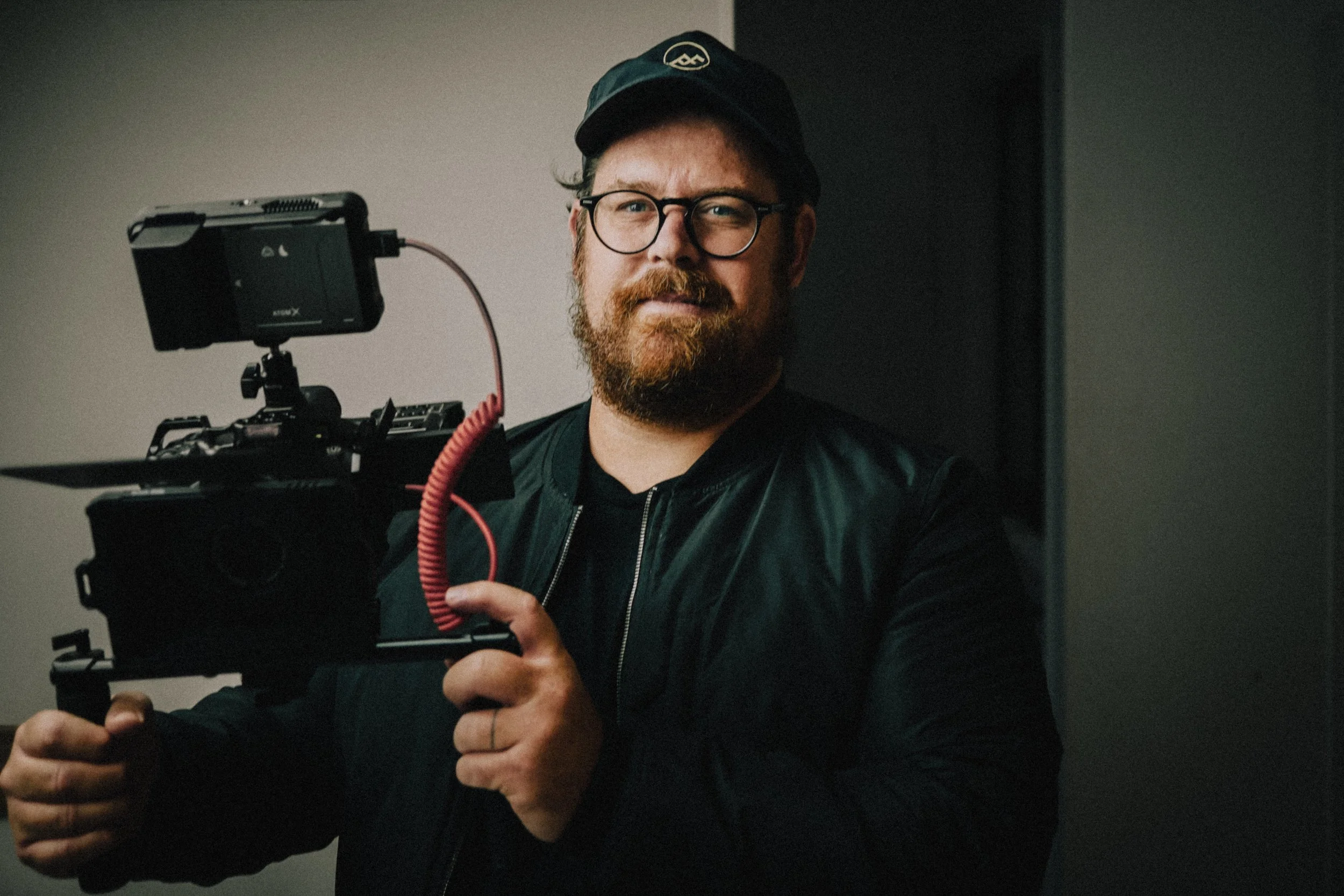
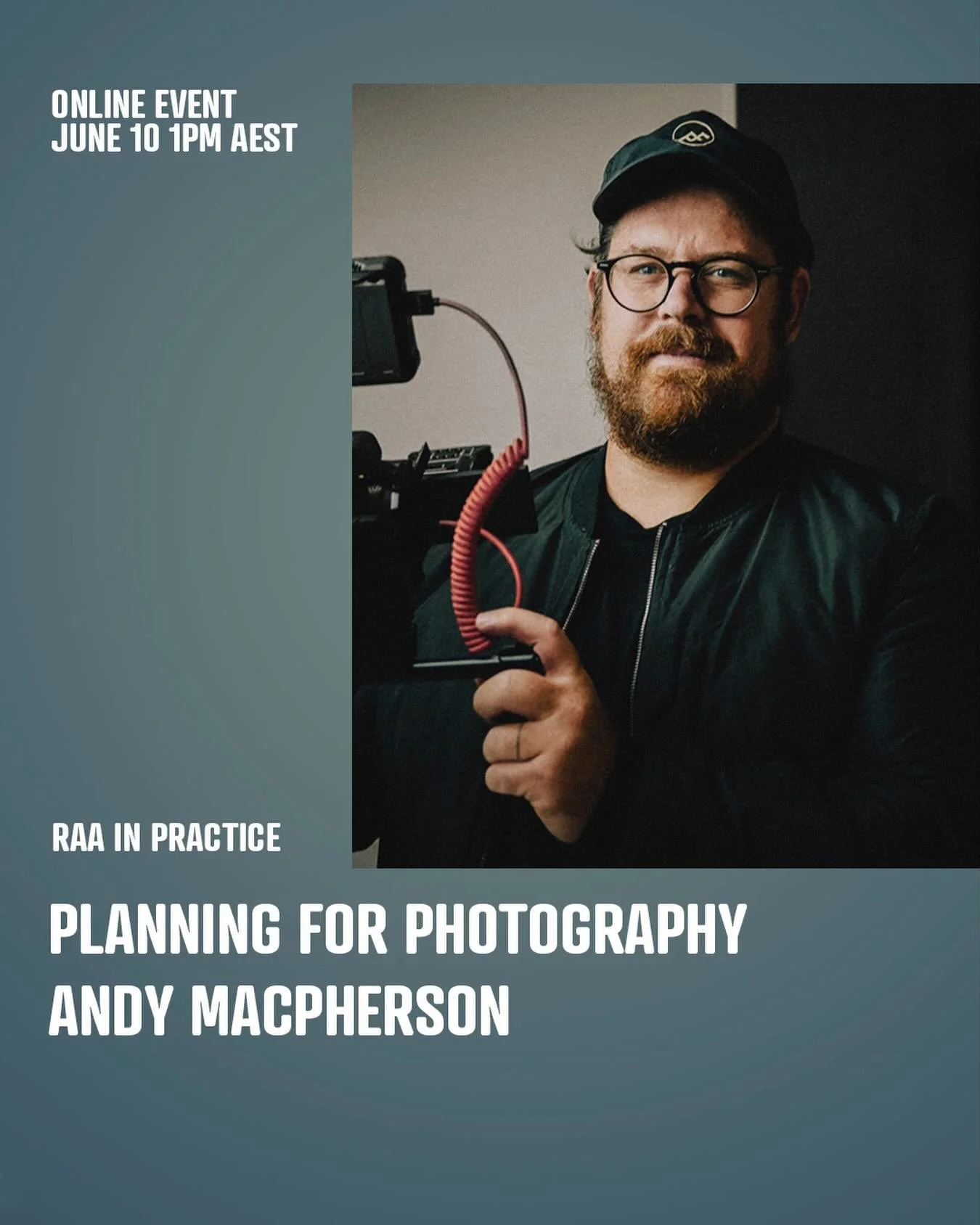
Architectural photographer and filmmaker Andy Macpherson will speak about the relationship between architecture and photography, and provide practical insight into how architects can get the most out of a shoot.
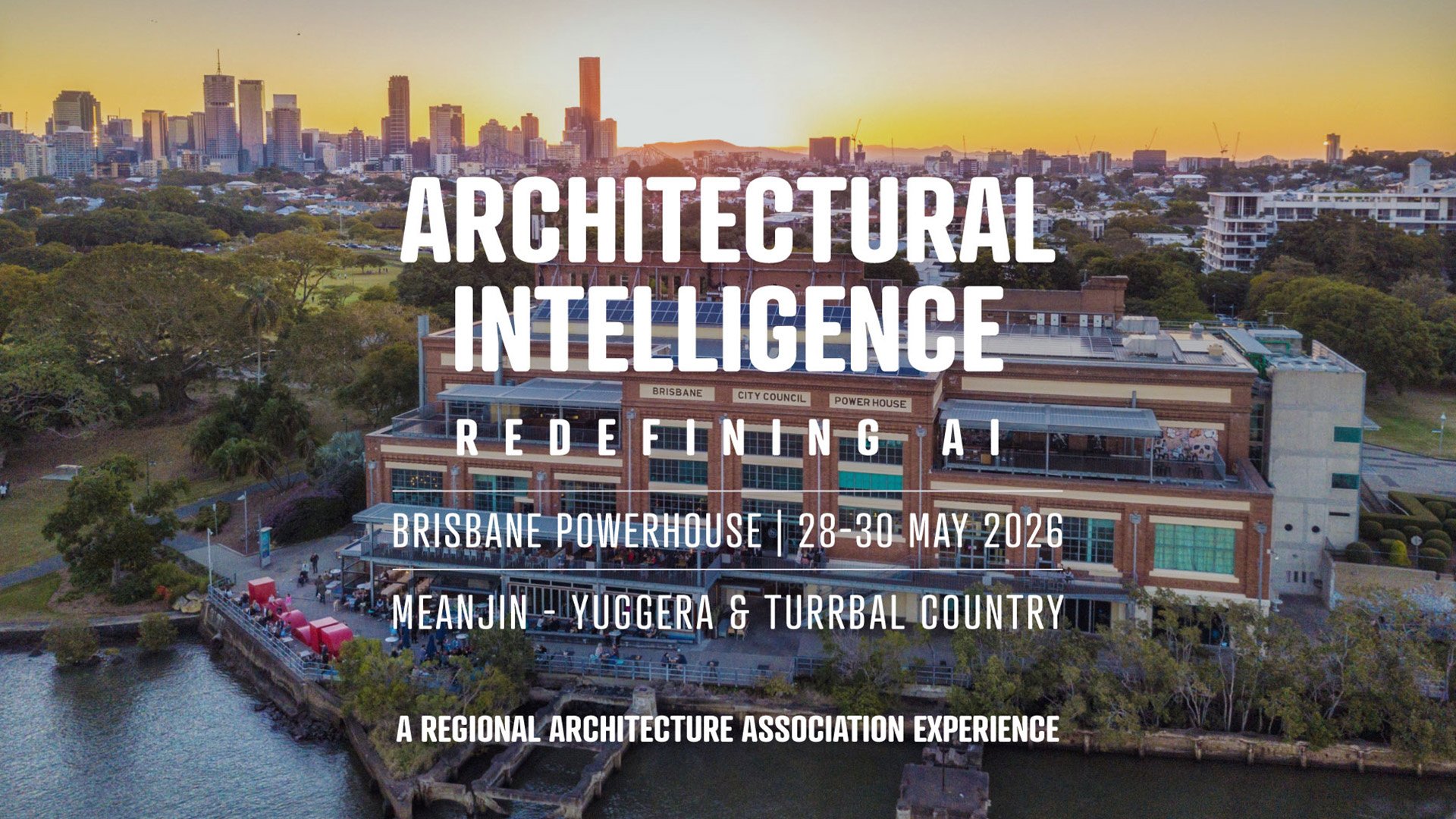
How do we not only survive as practising architects in a rapidly changing world, but adapt with agility to embrace the future? The program will look at some of the challenges we face, the tools available and best practice ways of thinking that are forging the path to an exciting future for our profession.
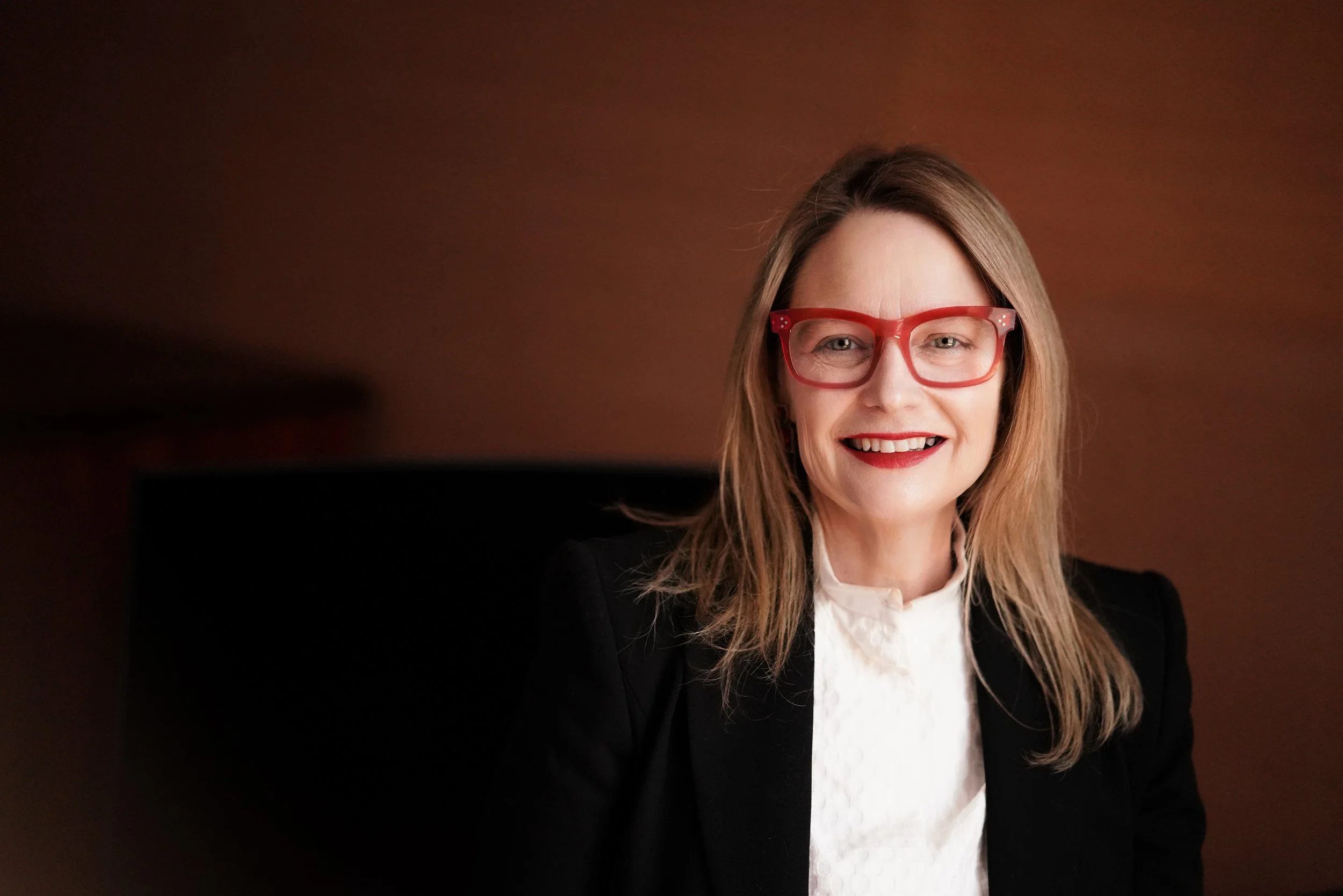
Barrister Fiona Clark will speak about contract administration, the Security of Payment Act, where the risks are for Architects and how they can be avoided.
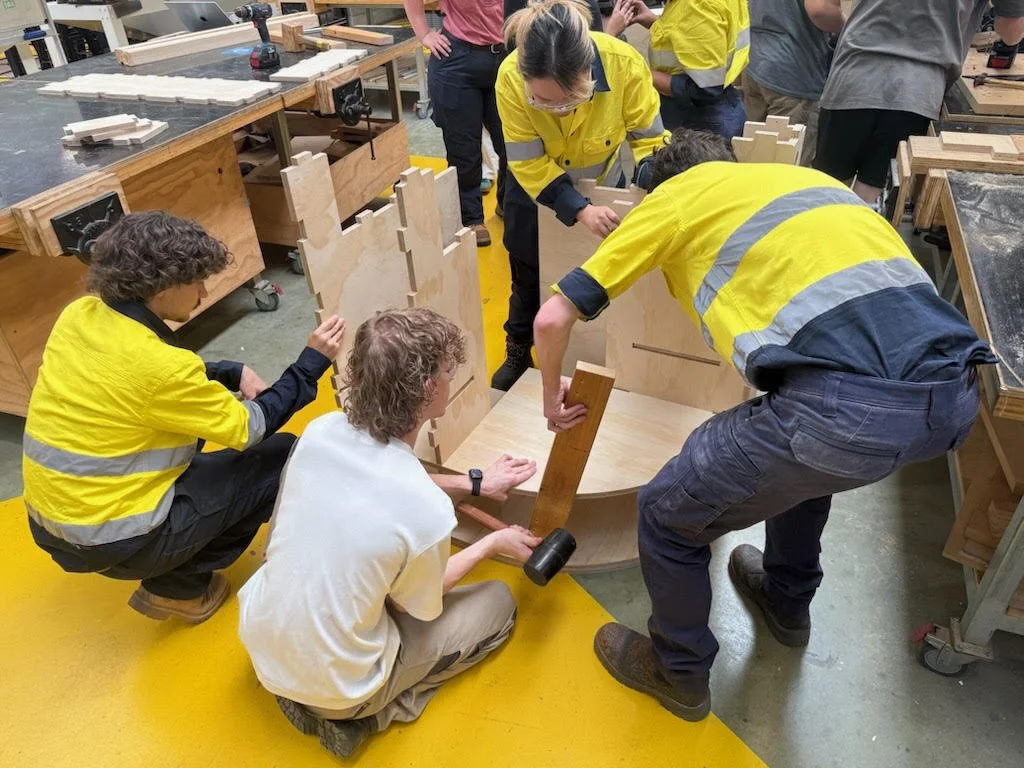
Join Dr Anna Tweeddale, James Pedersen and Barbara Labrousse from the University of Newcastle School of Architecture and Built Environment for a discussion outlining ideas and opportunities for kindling more meaningful relationships between our student cohort and regional architectural practices through live projects and student placements.

In recent years, a huge amount of work has been undertaken to improve gender equity in architectural workplaces, and there is now increasing attention to a broad range of equity matters and initiatives. Justine Clark of Parlour (RAA Partner organisation) will be in speak in conversation with RAA Secretary Sarah Aldridge about their work in the area of equitable practice and the guides they publish to help architecture move towards a more equitable profession – one that offers opportunity for all and is better positioned to meet contemporary challenges.
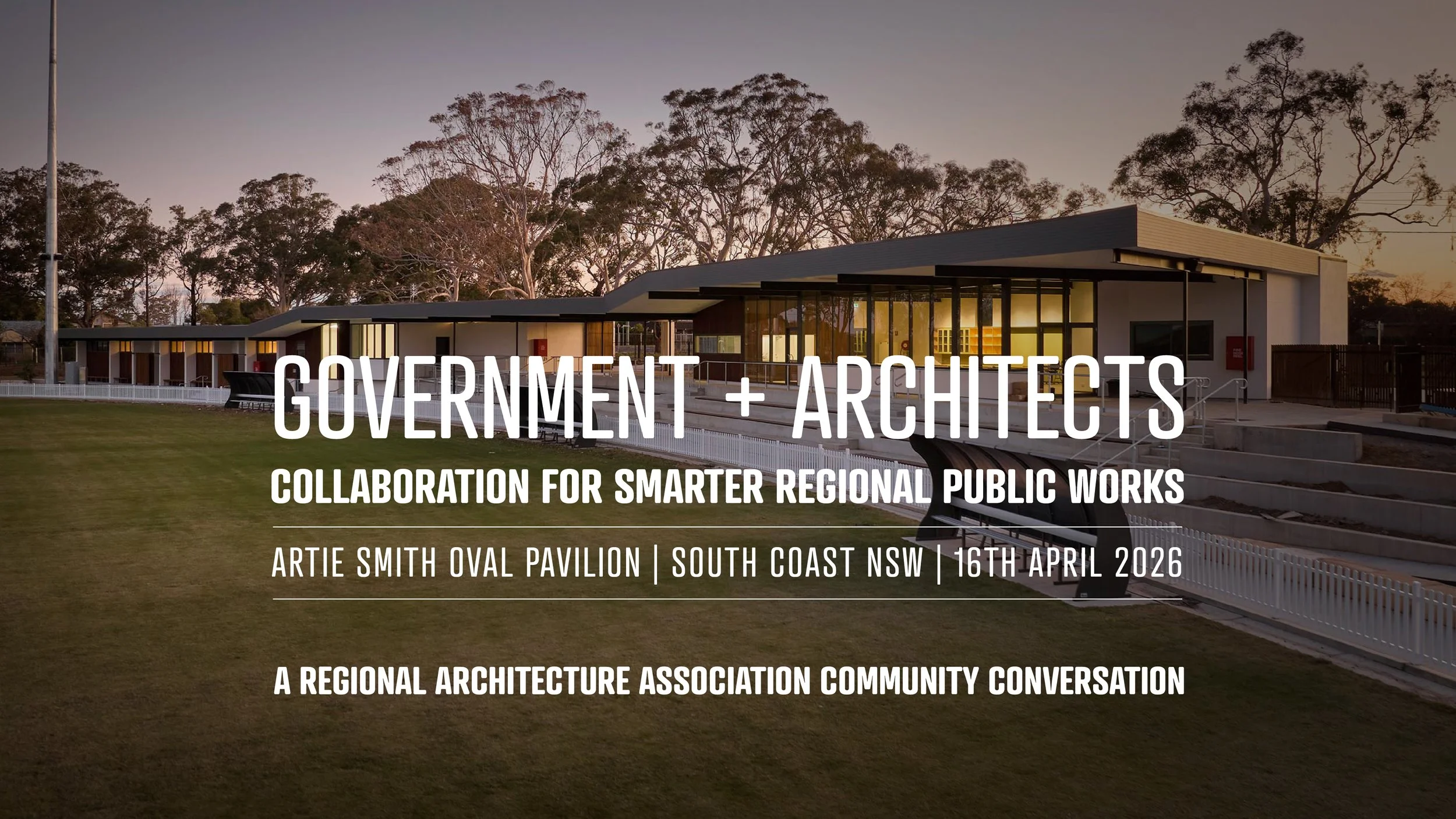
RAA is pleased to announce its first Community Conversation, an evening in person event on the NSW South Coast that seeks to engage discussion amongst architects, government and industry leaders along with interested parties from the local area.

This presentation explores condensation management and ventilation strategies for metal roofing and wall cladding systems, with a clear focus on NCC compliance and real-world constructability. It will unpack the NCC condensation provisions as they relate to metal envelopes and examine how different wall and roof build-ups perform in practice — from direct-fixed profiles to architectural panel systems installed over battens or plywood substrates. The session will compare insulation types, vapour control layers, and breathable membranes, and will place particular emphasis on correct detailing of ventilation paths, air inlets, and outlets to reduce condensation risk and improve long-term building performance.
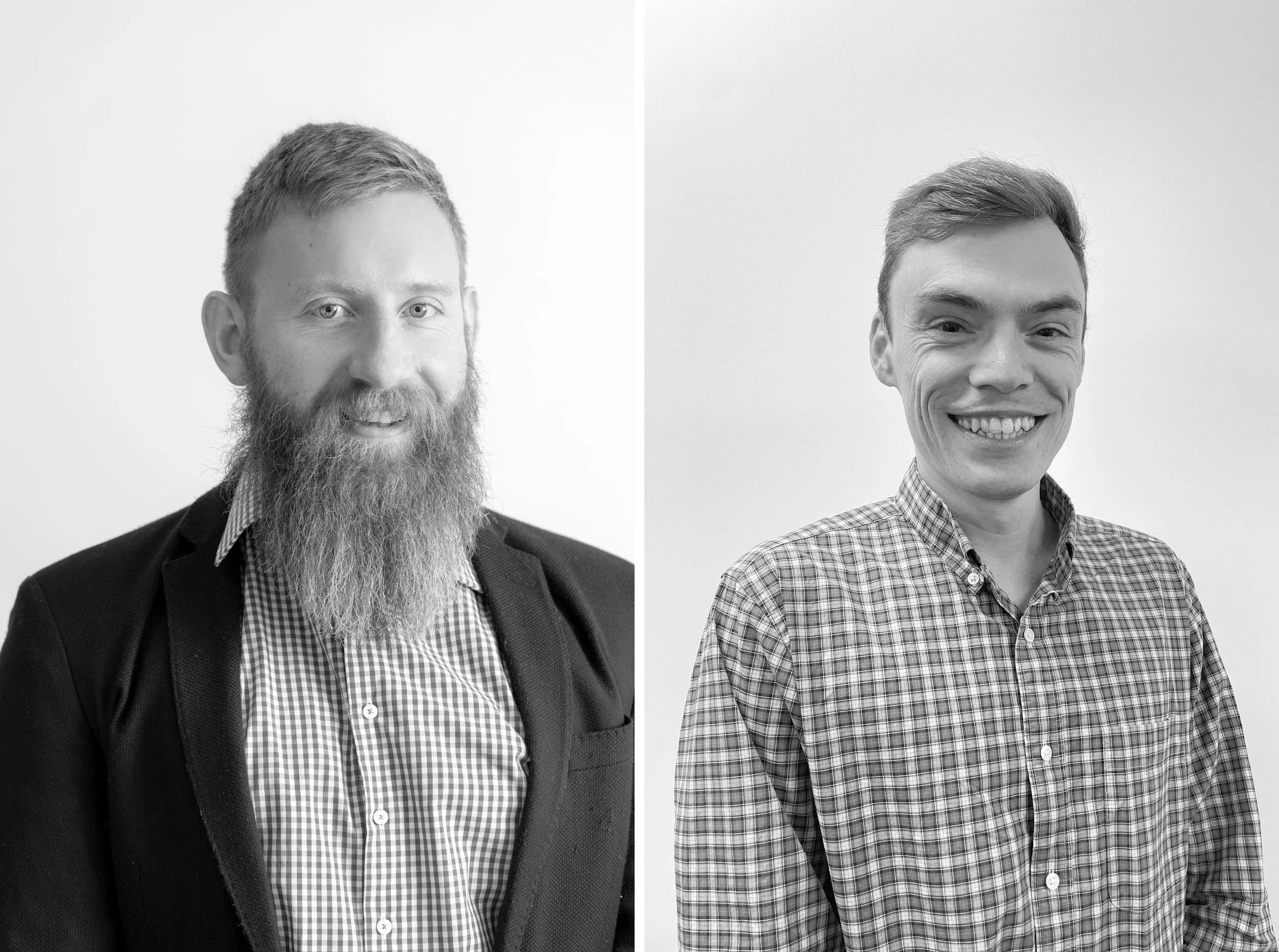
The NCC goes through cyclical updates. This presentation will focus on the new changes to the NCC and what to expect covering all areas such as Health & Amenity, Access, Fire & ESD compliance.
Presented by Padraig Healy and Andrew Beames of Credwell.

RAA’s first event for 2026 will look at the power of individuals and communities to shape their future and drive outcomes for their local area. This gathering will explore diverse case studies including where communities have harnessed their collective power to advocate for their future. It will focus on sustainable power storage options, thinking outside the box on a development, community and regional scale- using heat and cold. Under the creative direction of the inventive and curious mind of Robert Mierisch, a Mechanical Engineer with more than 20 years of engagement with sustainable technologies and various forms of distributed thermal storage this event aims to inspire, inform and arm delegates to be instigators in their communities.
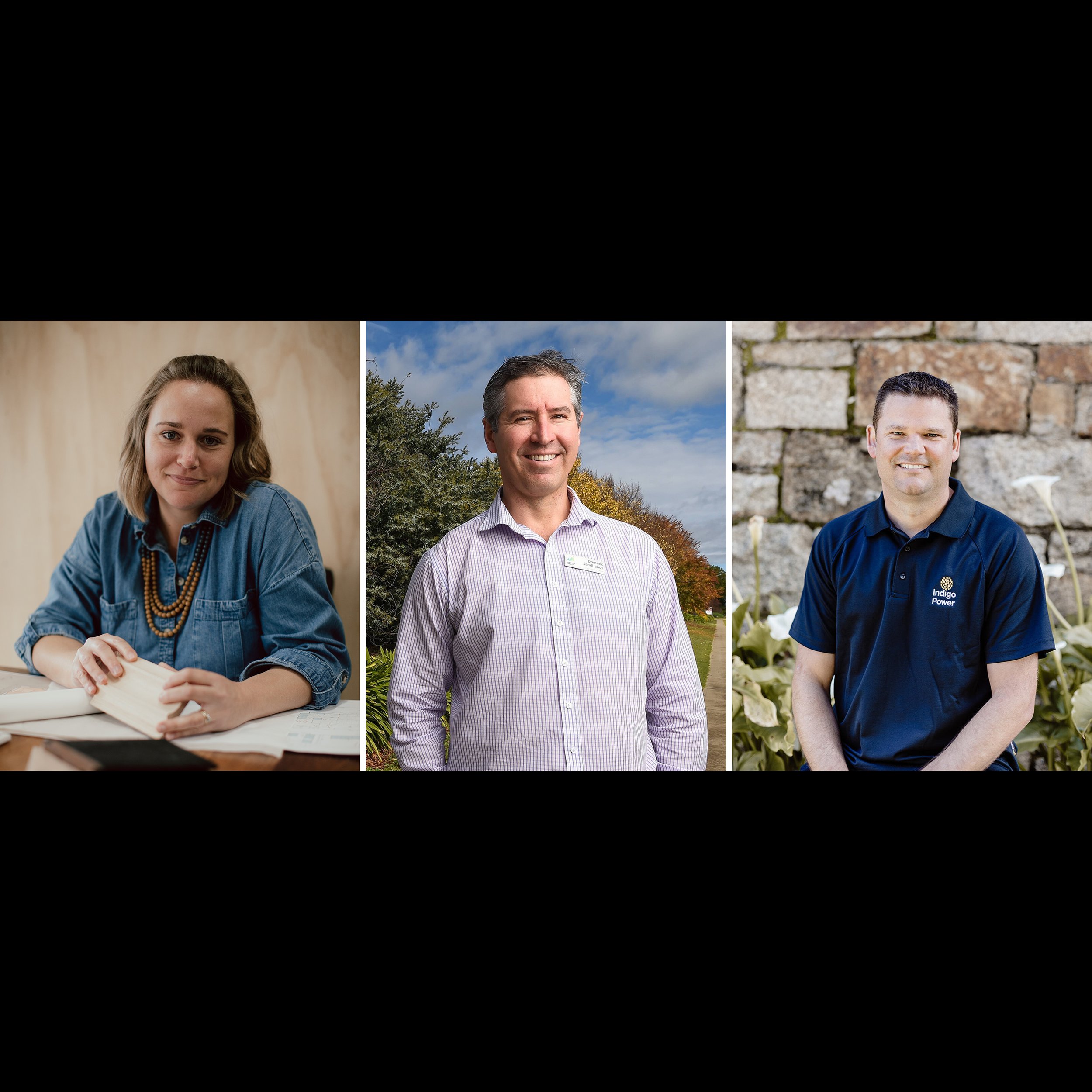
This session will explore how community-led organisations can meaningfully influence large-scale infrastructure, policy, and energy outcomes in regional Australia. Drawing on the work of Upper Murray Inc., the Energy Resilience and Reliability Project, and the Corryong Islandable Microgrid, the presenters will unpack how local advocacy, technical understanding, partnerships, and persistence can translate grassroots concern into real, systemic change. The discussion will highlight how architects, through their broad skillsets in problem solving, systems thinking, and project management, can be valuable contributors to community-led initiatives that shape resilient regional futures.
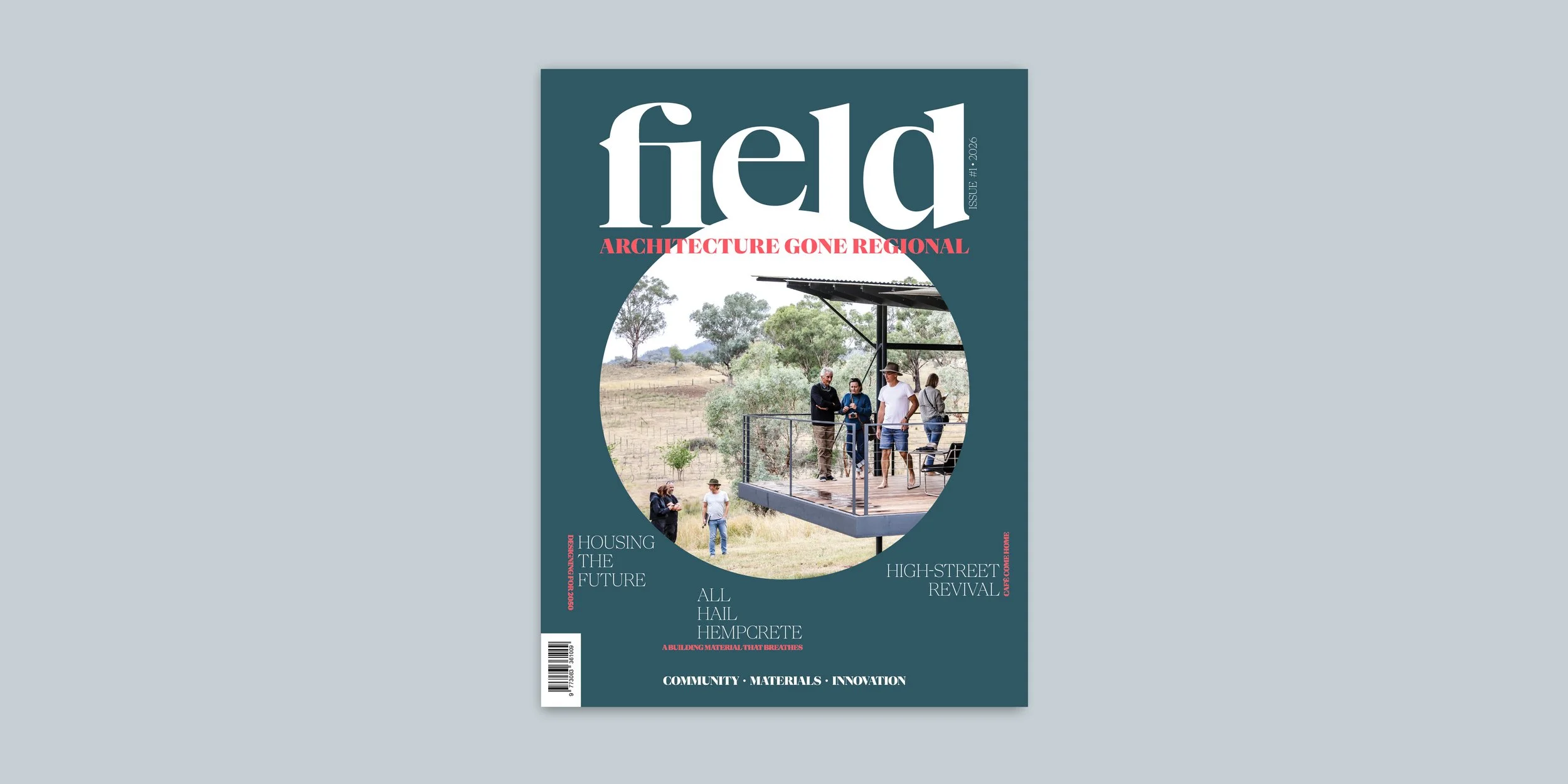
Join us in Sydney for cheese, drinks and a discussion panel to celebrate issue #1 of Field: Architecture Gone Regional. All welcome, please RSVP your attendance by Monday 16th February.
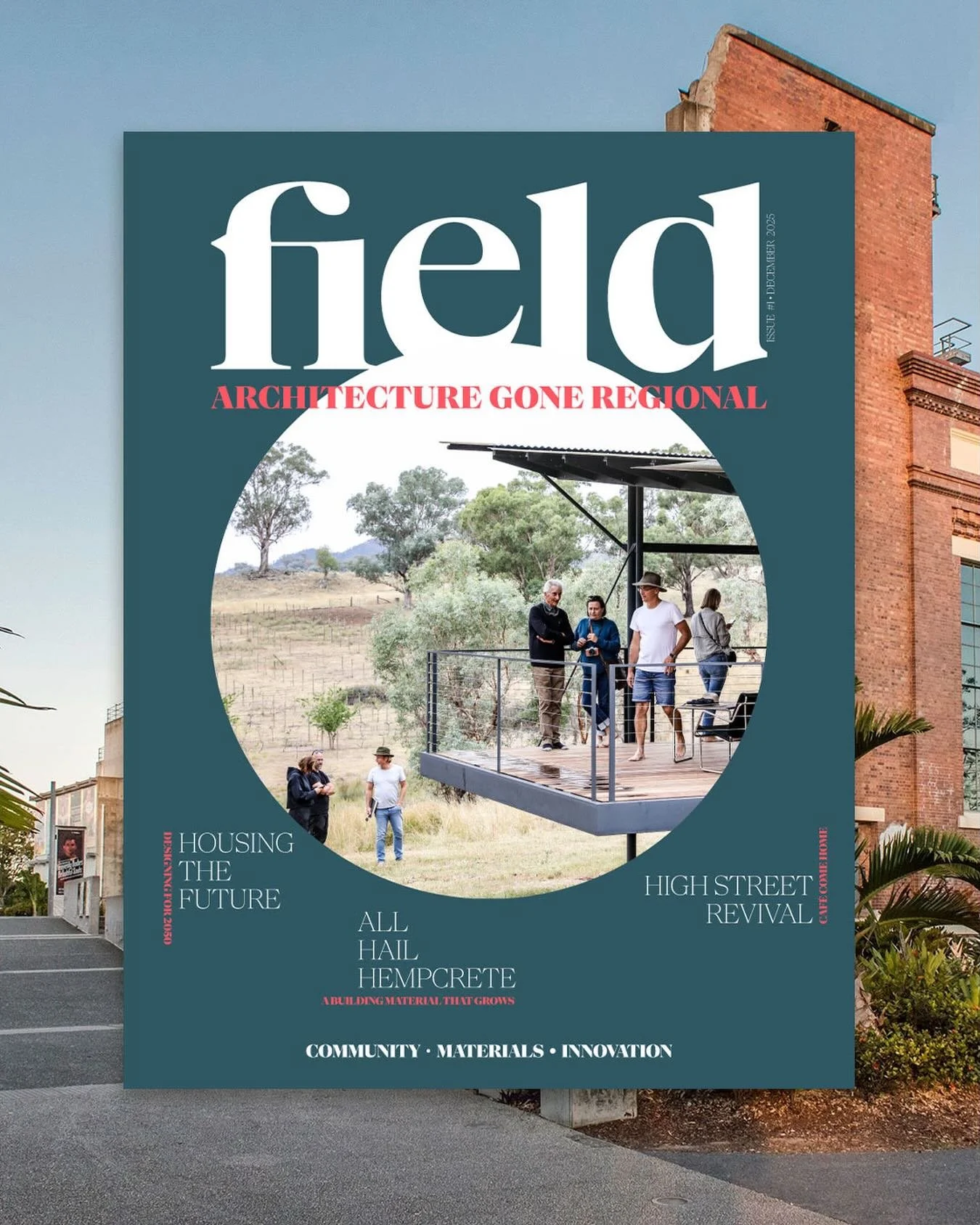
Produced by the Regional Architecture Association, Field reflects the regions we work in — their landscapes, communities, and creative energy. It celebrates projects that shape regional places, while sharing ideas and innovation from conversations with a broader audience. Field connects community, sparks dialogue, and honours the craft and care that define architecture in the regions.
This online event will be held in the lead up to the POWER OF COMMUNITY and serve to introduce some of the themes being explored and set the scene for the in person experience.
In this session, Dr Juliette Milbank will speak about Totally Renewable Yackandandah (TRY), its genesis and the achievements of the community-led initiative.

In this online session, committee member Andrew Elia, a director of IDG Architects in Springwood in the Blue Mountains will discuss the interview and hiring processes he is involved in at his firm, providing some key points to graduates about presenting themselves and their folios.
We will also hear from 2024 University of Newcastle Masters of Architecture graduates Caitlyn Sherwood and Levi Baker. Caitlyn is now a Project Leader at Webber Architects in Newcastle and Levi is employed at King & Campbell in Port Macquarie as a Graduate of Architecture; they will briefly share their own experience of the folio preparation, interview and hiring process.

This presentation provides architects and specifiers with essential guidance on selecting and detailing metal cladding systems. It covers best practices for writing clear and comprehensive specifications, including material selection, finishes, system components, and compliance with Australian Standards.

This talk is aimed at improving understanding of the tender process and reducing the barriers for practices who are interested in public project work. It will cover the key components of a strong tender bid, addressing questions around marketing, procurement principles and basics of tender documentation. We will also discuss tips for preparing a tender submission and common frustrations for the smaller practice.
Architects are trained, accredited and registered professionals and in NSW have operated for more than 100 years within a well-regulated professional system that sets the bar for other building design professionals. But to be able to call yourself an Architect you need to get registered first! This webinar will tell you everything need to know about the various pathways to registration as an Architect in Australia. Join the webinar and find out which pathway is best for you.
This session is FREE for members and non members alike, please register your attendance.

We look forward to seeing you and sharing the achievements of 2024-2025 at the upcoming RAA Annual General Meeting.
RAA welcomes nominations for new committee members from across Australia who are enthusiastic about the regions, architecture and community.

This session touches on the history of steel manufacturing, the current methods of production and Lysaght's journey to Net Zero Steel manufacturing here in Australia by 2050, which shows we can become the world leader in Green Steel. The presentation will show what it took for Port Kembla to become one of the first Responsible Steel sites in the world - as measured by the global steel industry's multi-stakeholder sustainability standard and certification program, designed to ensure that customers, stakeholders and consumers can be confident that the steel they use has been sourced and produced responsibly.
“Code of Conduct Bingo” is an interactive workshop designed to engage architects with the NSW Architects Code of Professional Conduct and refresh everyone’s memory of the various provisions of the Code.
News Blog
Stay informed about the work of the RAA as we grow through our news blog. We will provide updates on working groups, events and programs as these develop.
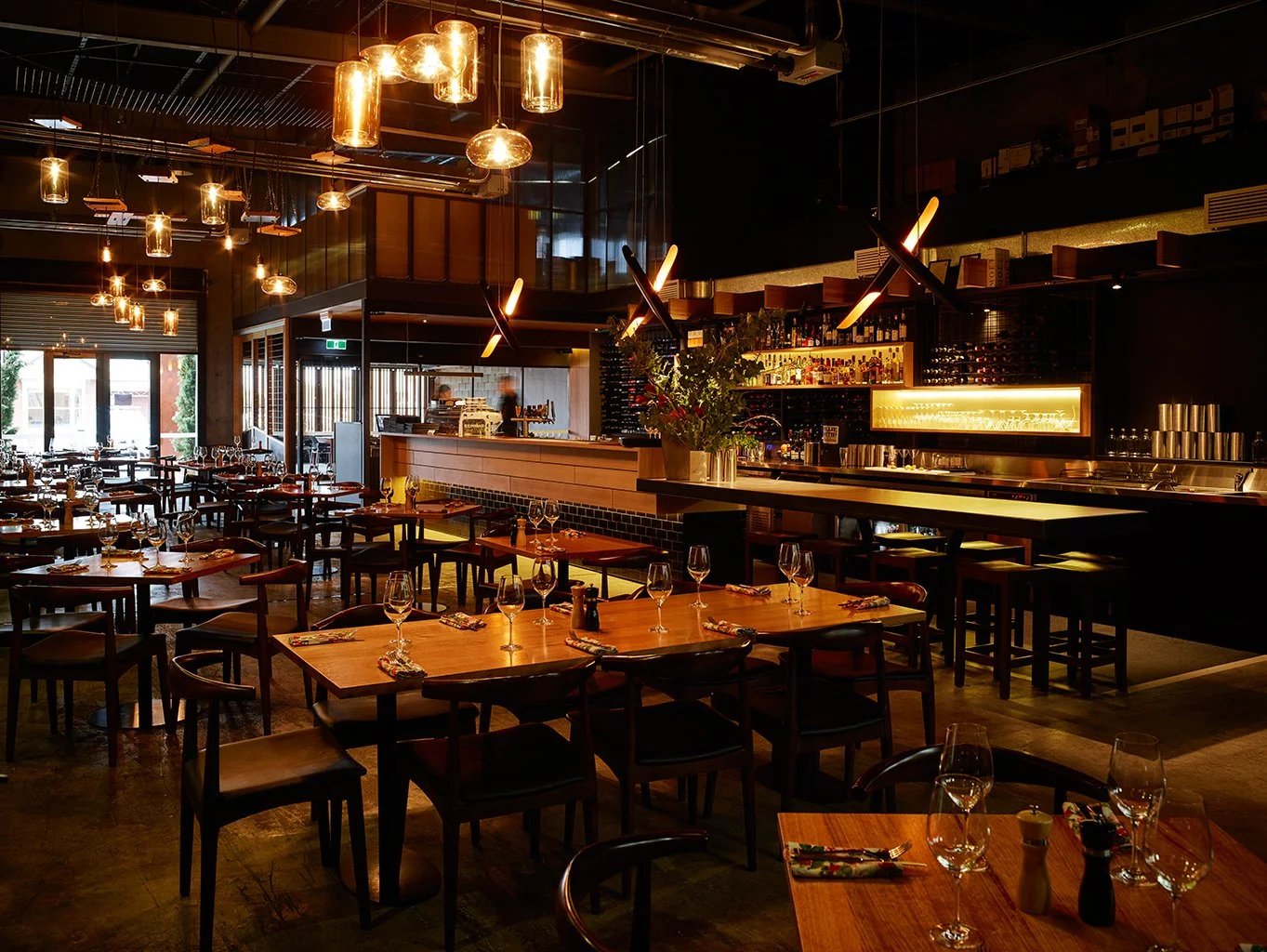
Once the day’s program at the Moonah Arts Centre wraps up, delegates will make the short stroll along Albert Road for dinner at St. Albi Bar & Eatery, a Moonah favourite for over a decade.
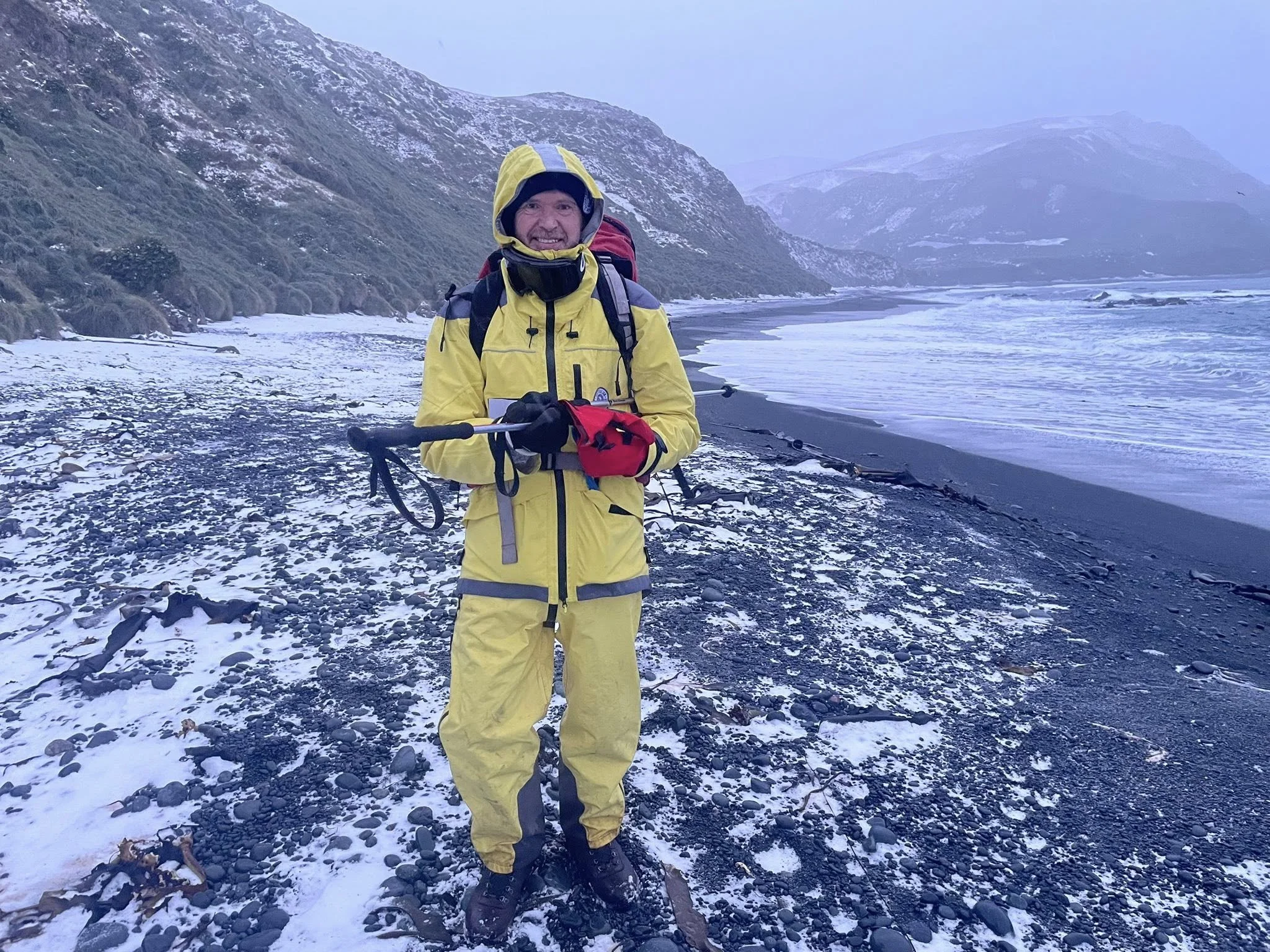
Australian Antarctic Division Design Coordinator Richard Jarman will Draw on his firsthand experience with the Macquarie Island Station redevelopment, to discuss how architects, engineers, scientists and expeditioners work together to create a facility that is resilient, efficient and capable of supporting world-leading research in one of the most isolated places on Earth.
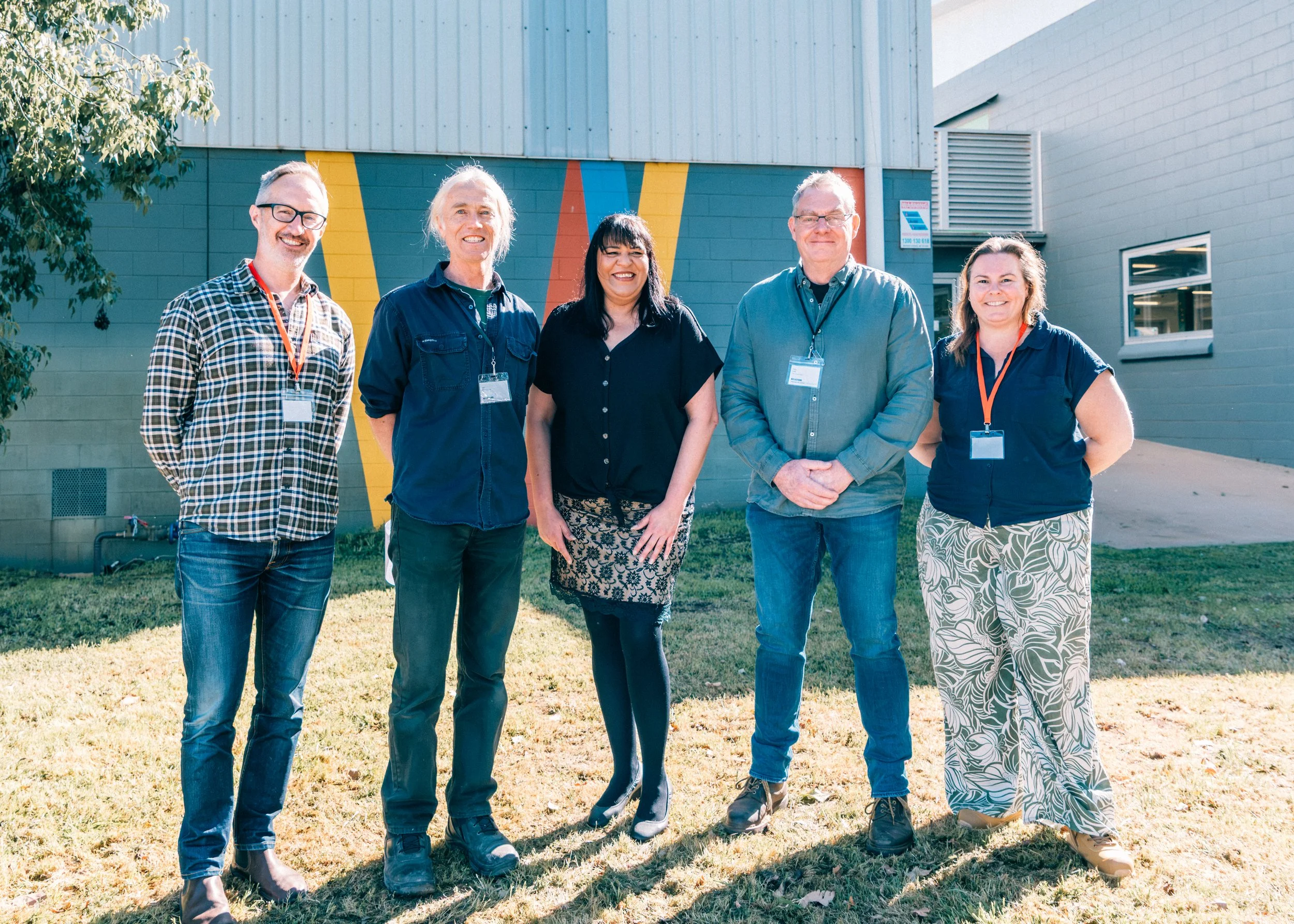
Architecture practitioners from across Australia gathered in Cobar last week to look at regional architecture, town revitalisation, housing, climate and infrastructure challenges.
The ‘Reflections’ event was organised by the Regional Architecture Association (RAA), with its president and founding member Tim Lee among the participants.
Mr Lee, who is based in Goulburn, spoke with The Cobar Weekly on Friday. He said the association held three events each year to give regional practitioners, who are spread far and wide, the opportunity to meet face-to-face.
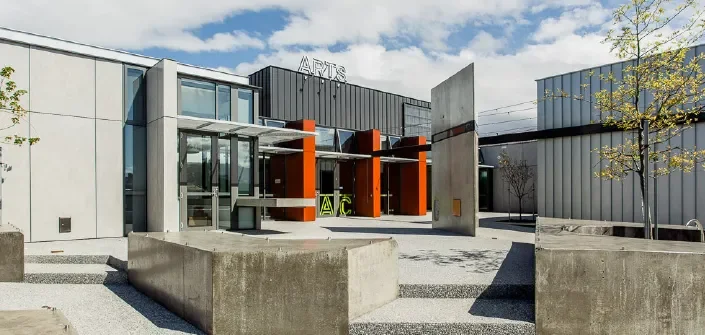
Our Friday speaker program will be held at the Moonah Arts Centre (MAC), an award-winning community arts hub designed by Hobart practice Morrison & Breytenbach Architects for Glenorchy City Council. Located directly between Hobart and MONA, the centre has an excellent café and restaurant strip, public transport and parking nearby.
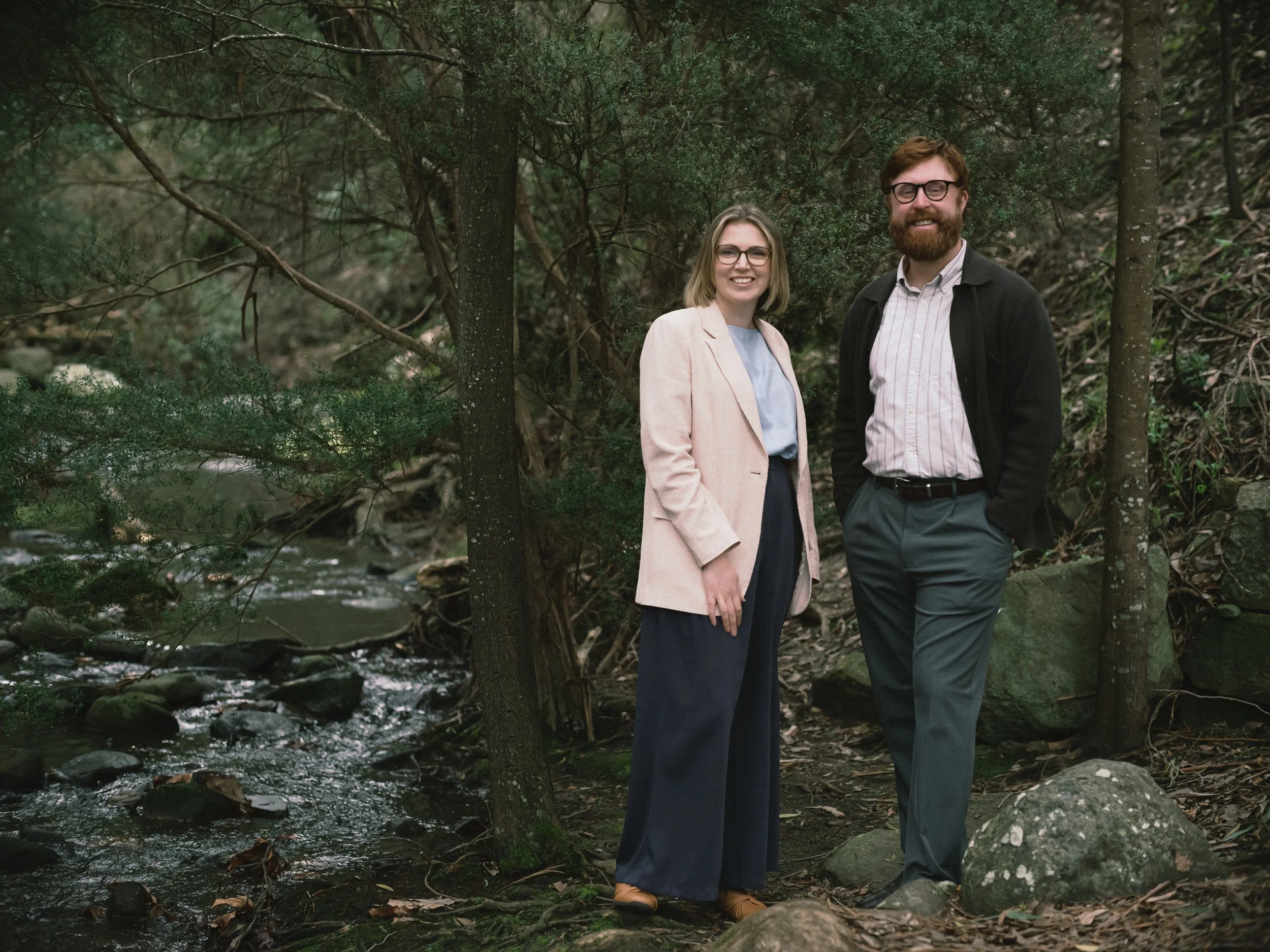
RAA is pleased to announce Carly McMahon and Sam McQueeney as the creative directors for ADJUSTMENT, which will take place 25-27 February 2027 in Nipaluna / Hobart on the lands of the Muwinina people. Carly McMahon is a Senior Architect at Cox Architecture, with extensive experience delivering public, cultural, education, community, and sporting projects. Sam McQueeney is an Architect, and Director of McMahon McQueeney Office, living and working in Nipaluna / Hobart.
In evolving our built environment to adapt to minimising carbon use and creating more energy efficient structures, Chris Ball will discuss his company’s prefabricated hemp-panel system. He will explore how prefabrication can deliver economic and on-site efficiencies across both remote regional and urban projects, while examining the environmental, thermal and practical benefits of using hemp as a building material.
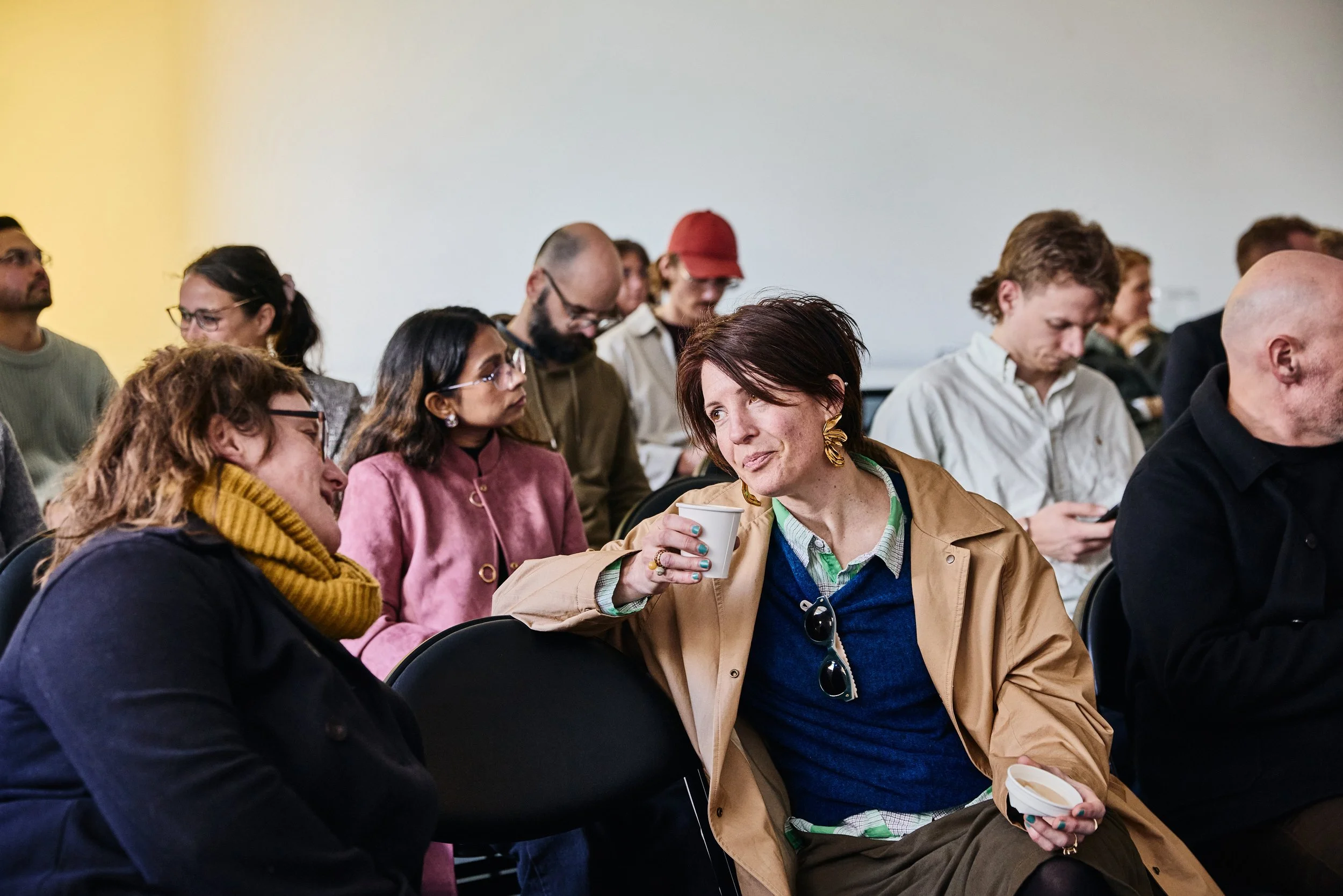
Thanks to everyone who joined RAA’s Field conversation – Natural High – on Friday 31 July in Melbourne, where we gathered at Collingwood Yards, on traditional lands of the Wurundjeri people from the Kulin Nation.
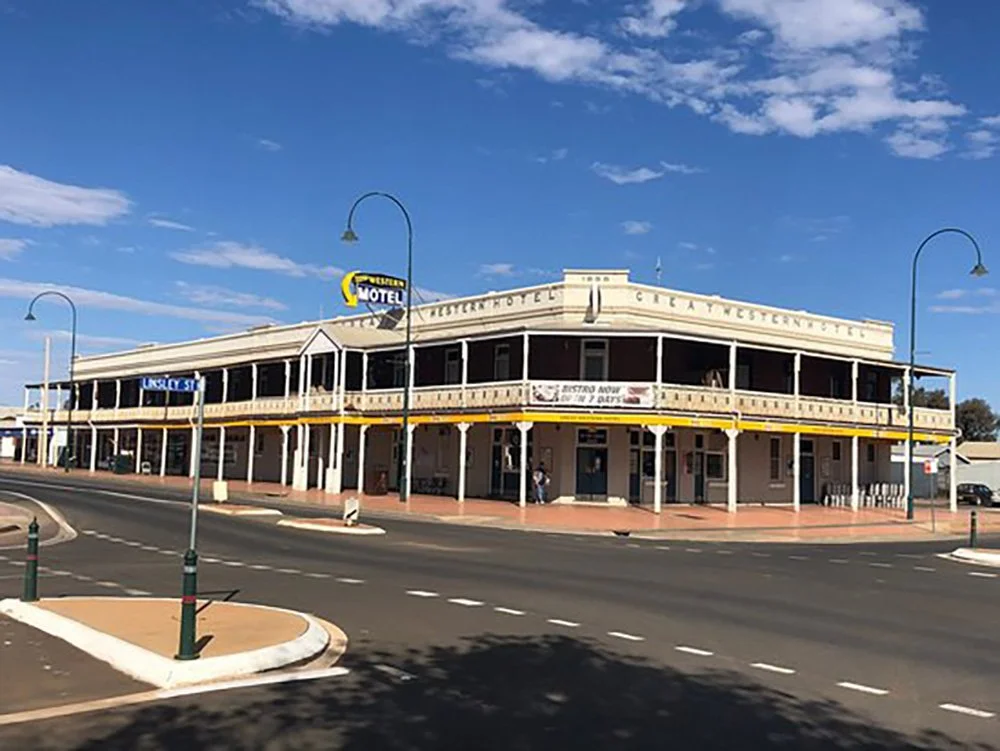
Following the Thursday afternoon fringe events or for those newly arrived, please join us for the Community Dinner (buy your own) at Cobar’s historic Great Western Hotel.
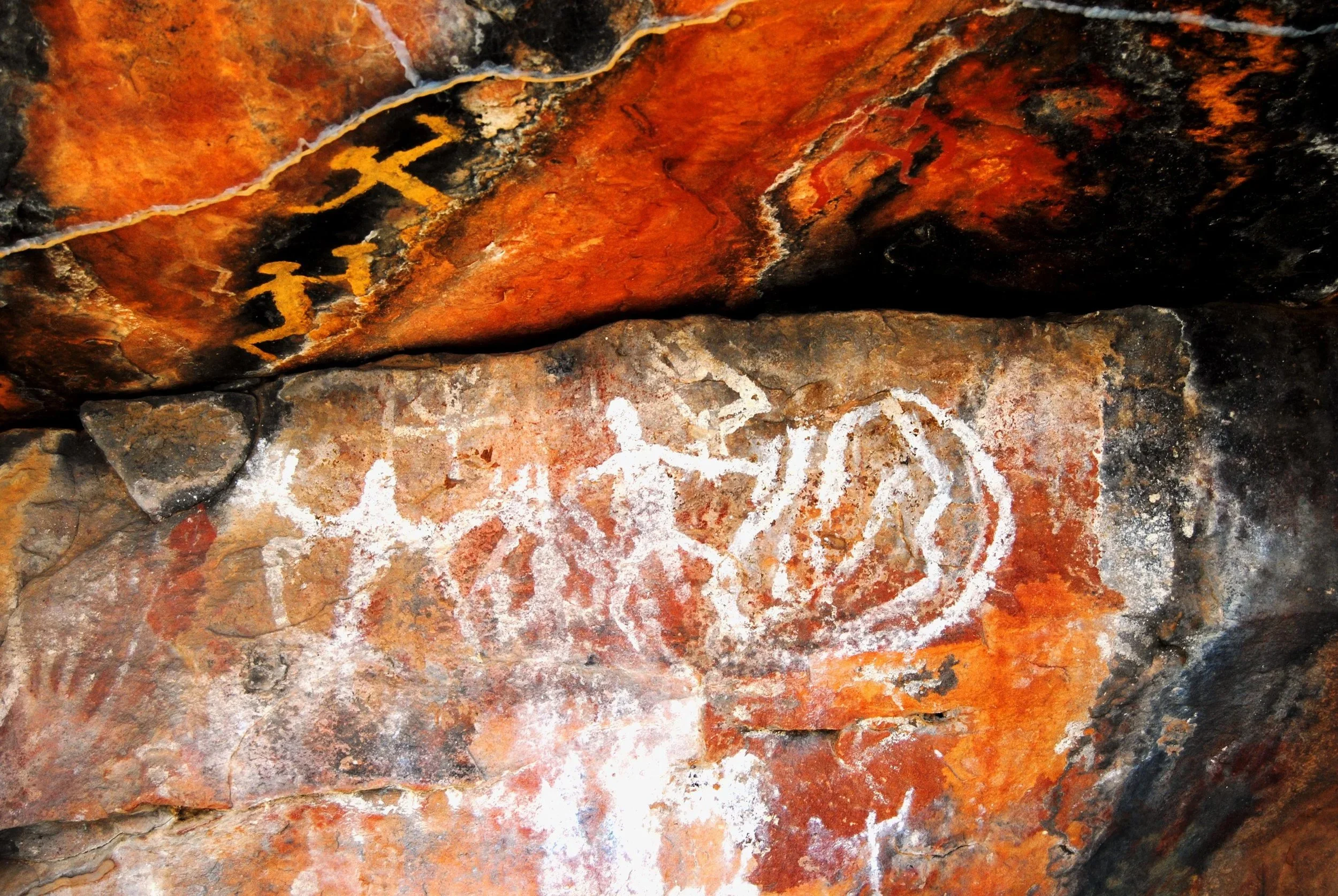
Our final Saturday fringe event will be a visit to the Mount Grenfell Rock Art Site, where we'll experience one of the most significant collections of Aboriginal rock art in New South Wales. Located within Mount Grenfell Historic Site, this remarkable cultural landscape has been a place of gathering, ceremony and knowledge sharing for Ngiyampaa People for thousands of years.
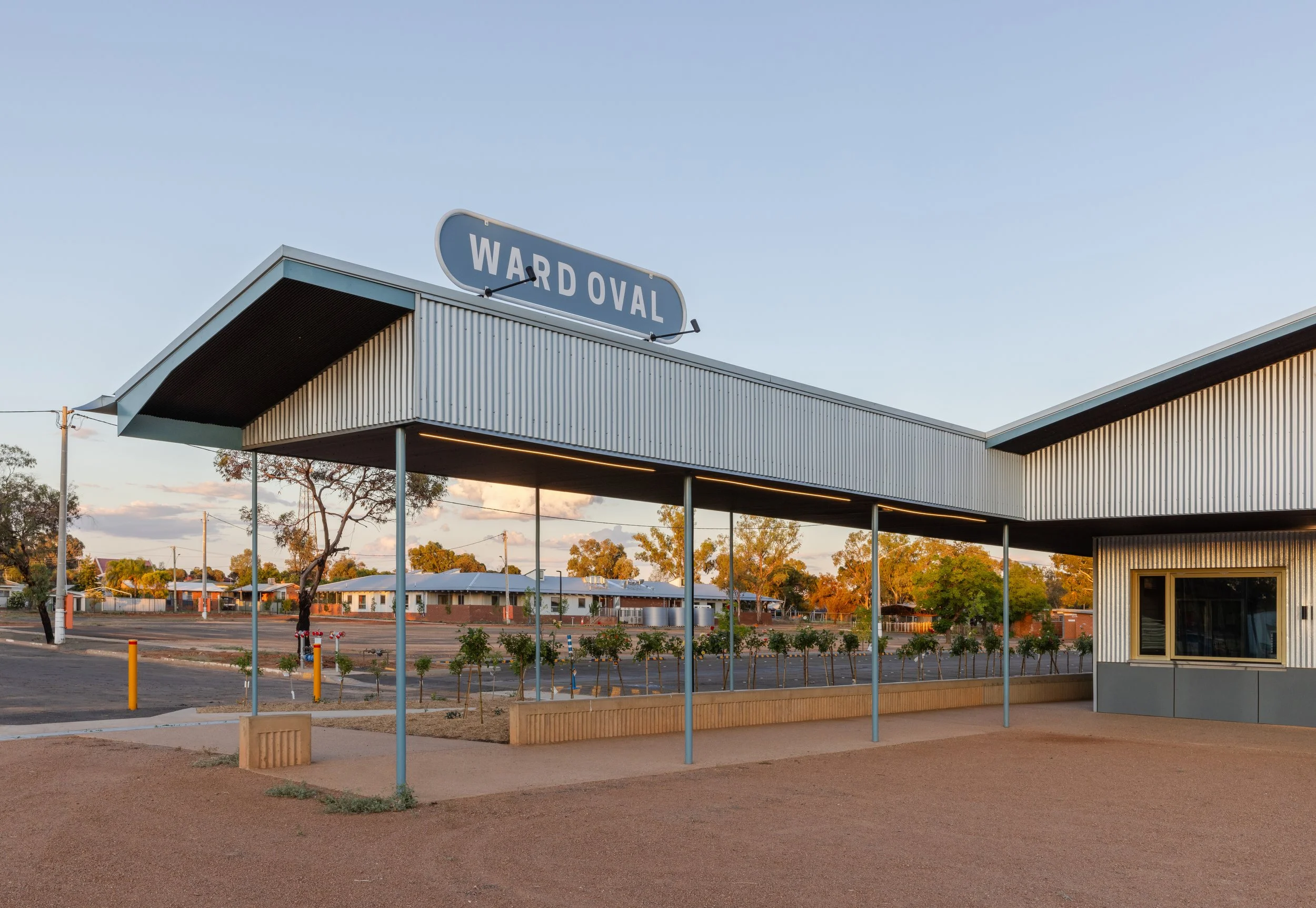
Another of our Saturday fringe events will be a visit to the Ward Oval Pavilion, also led by Jonathan Temple (Dunn Hillam). Here we'll explore how architecture can strengthen the civic and sporting life of a regional community. Positioned at the heart of Cobar's Ward Oval Precinct, the pavilion forms part of DunnHillam's broader masterplan to revitalise one of the town's most important public places.
Thomas Jager, recipient of the 2026 Architects Medallion, will present his University of Newcastle final year project, Unsung – Apmere, which explores architecture as an act of repair through Country, language and First Nations knowledges.
Paulo Macchia will discuss his Byera Hadley research project exploring how local governments across Australia have used effective procurement processes to engage architects who deliver high-quality public buildings.
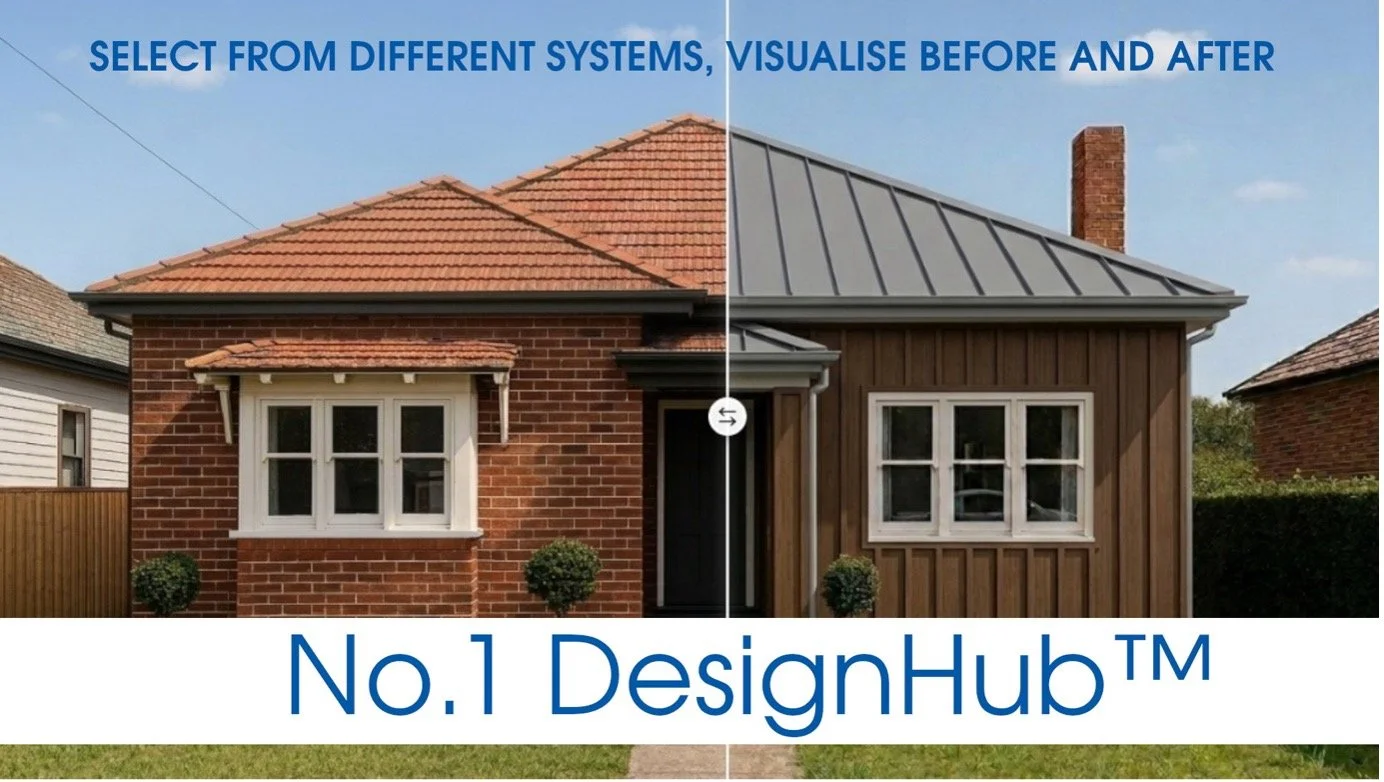
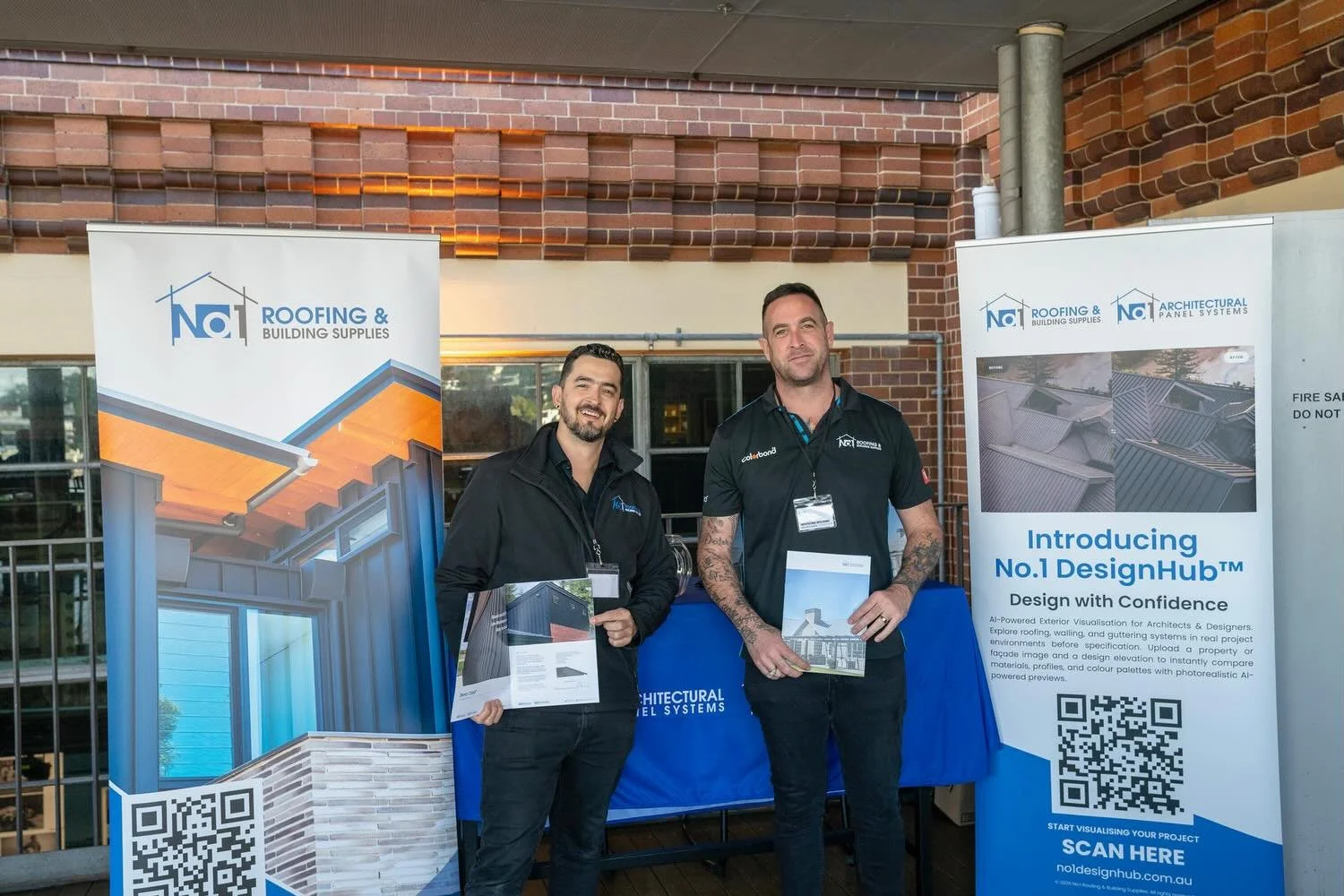
From Inspiration to Informed Design: How No.1 DesignHub™ Supports Early Architectural Decision-Making
Created by No.1 Roofing’s Architectural Panel Systems (APS) division, No.1 DesignHub™ is an interactive visualisation platform that allows homeowners, architects, designers and builders to explore how different architectural metal roofing and wall cladding systems may appear on a project before moving into specification, pricing or technical review.
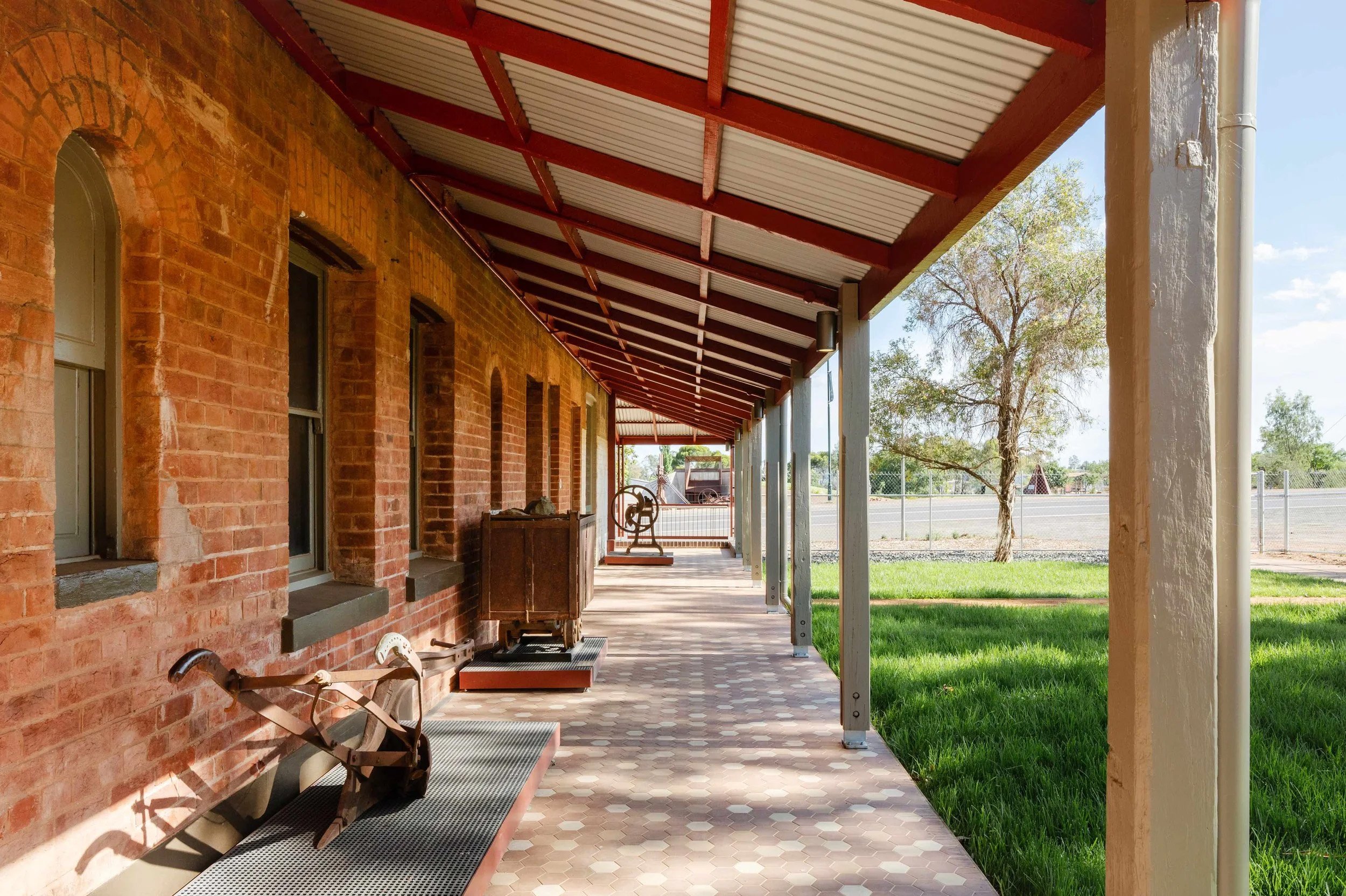
We'll gather on Friday evening for a relaxed barbecue dinner outside the Great Cobar Museum, offering the perfect opportunity to connect with fellow delegates while experiencing one of the town's most significant heritage buildings. During the evening, attendees will also have the opportunity to explore the museum and its thoughtfully restored exhibitions.
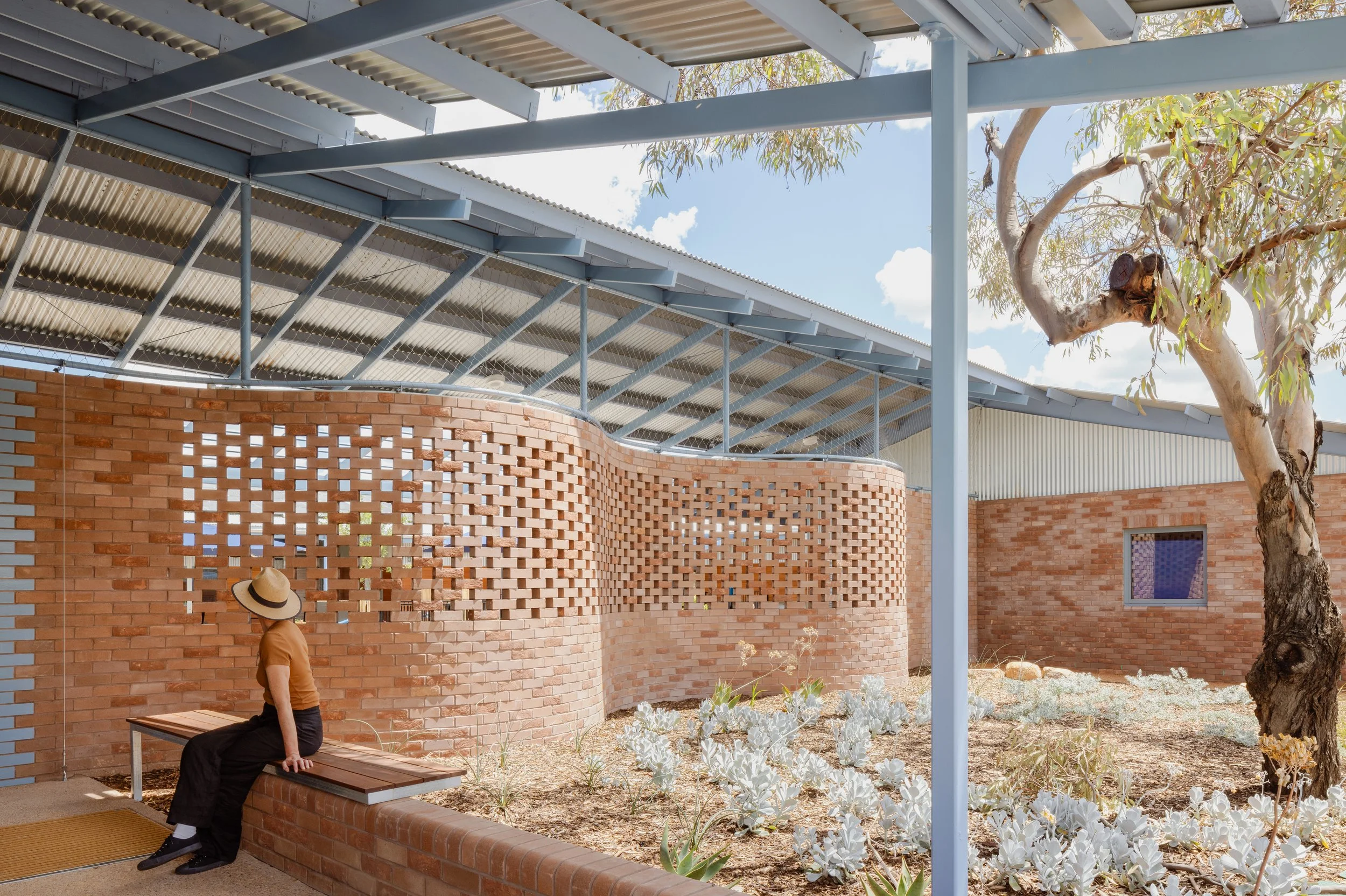
One of our Saturday fringe events will be a visit to the Cobar Early Learning Centre, led by Jonathan Temple (Dunn Hillam). We'll explore how thoughtful architecture can respond to both climate and community. Opened in October 2024, the purpose-designed facility was created by DunnHillam to provide an exceptional environment for children, families and educators while responding to the harsh climatic conditions of outback New South Wales.
Melissa Hollis leads engagement and communication at the NSW Architects Registration Board. Melissa will highlight the public-interest work of NSW ARB and the various ways NSW ARB supports the profession across the career journey, from students and graduates to experienced practitioners.
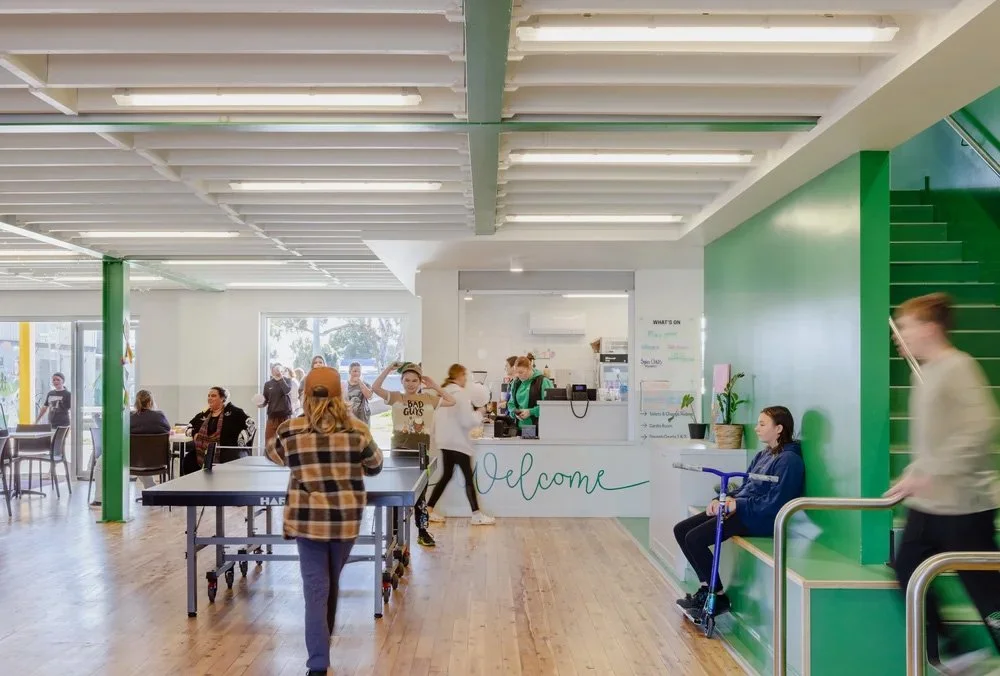
Our Friday program, along with Thursday's Journey Workshop, will be held at the Cobar Youth & Community Centre—known locally as the "Youthie" - a much-loved community facility transformed through the long-standing collaboration between DunnHillam Architecture & Urban Design and the Cobar Shire Council.
Originally a modest concrete block building with deep community significance, the centre has been thoughtfully reimagined to provide an accessible, climate-responsive and welcoming civic space.
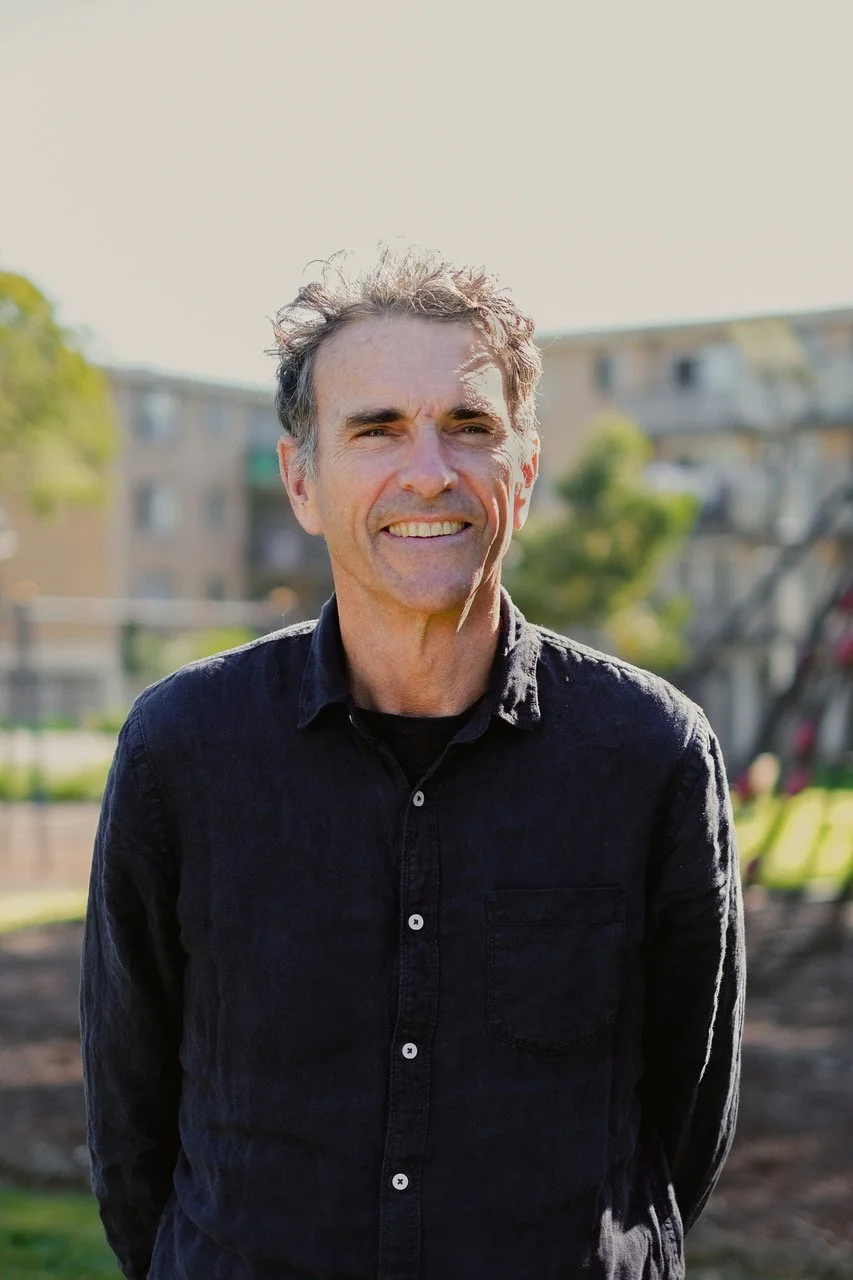
Jonathan Temple of DunnHillam Architecture & Urban Design will reflect on the practice’s long-standing collaboration with the community of Cobar. He will address the process of delivering a series of transformative civic projects throughout the town as well as broader town revitalisation initiatives.
The Regional Architecture Association is delighted to announce that a copy of its new journal, Field – Architecture Gone Regional, will soon be sent to all public libraries in New South Wales, as part of a new shared venture with the NSW Architects Registration Board.
Under the new initiative, the NSW ARB is supporting the distribution of Field, Issue #1 to all 365 public libraries in the state, broadening the journal’s reach, and furthering regional conversations about the value of architecture in everyday life.
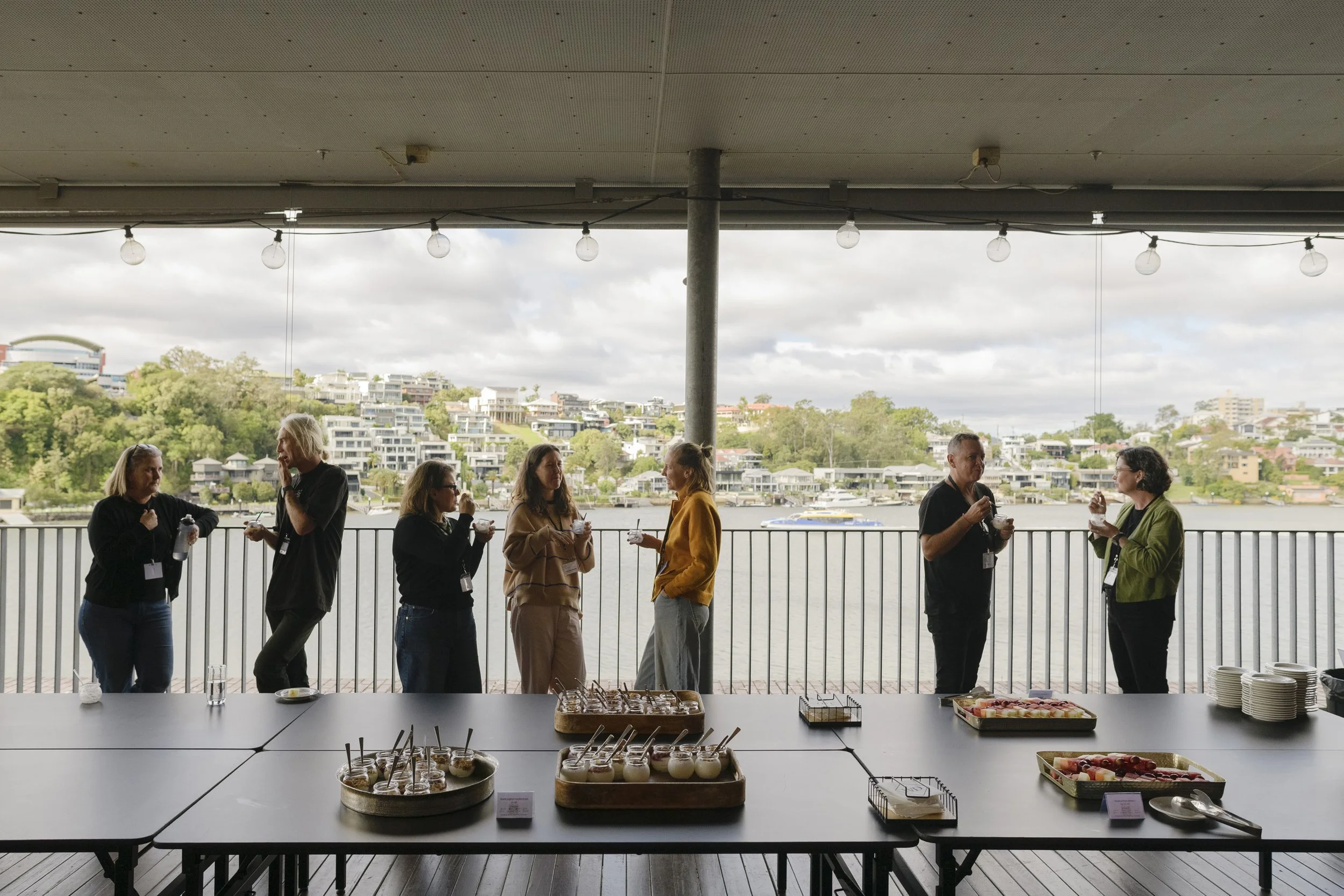
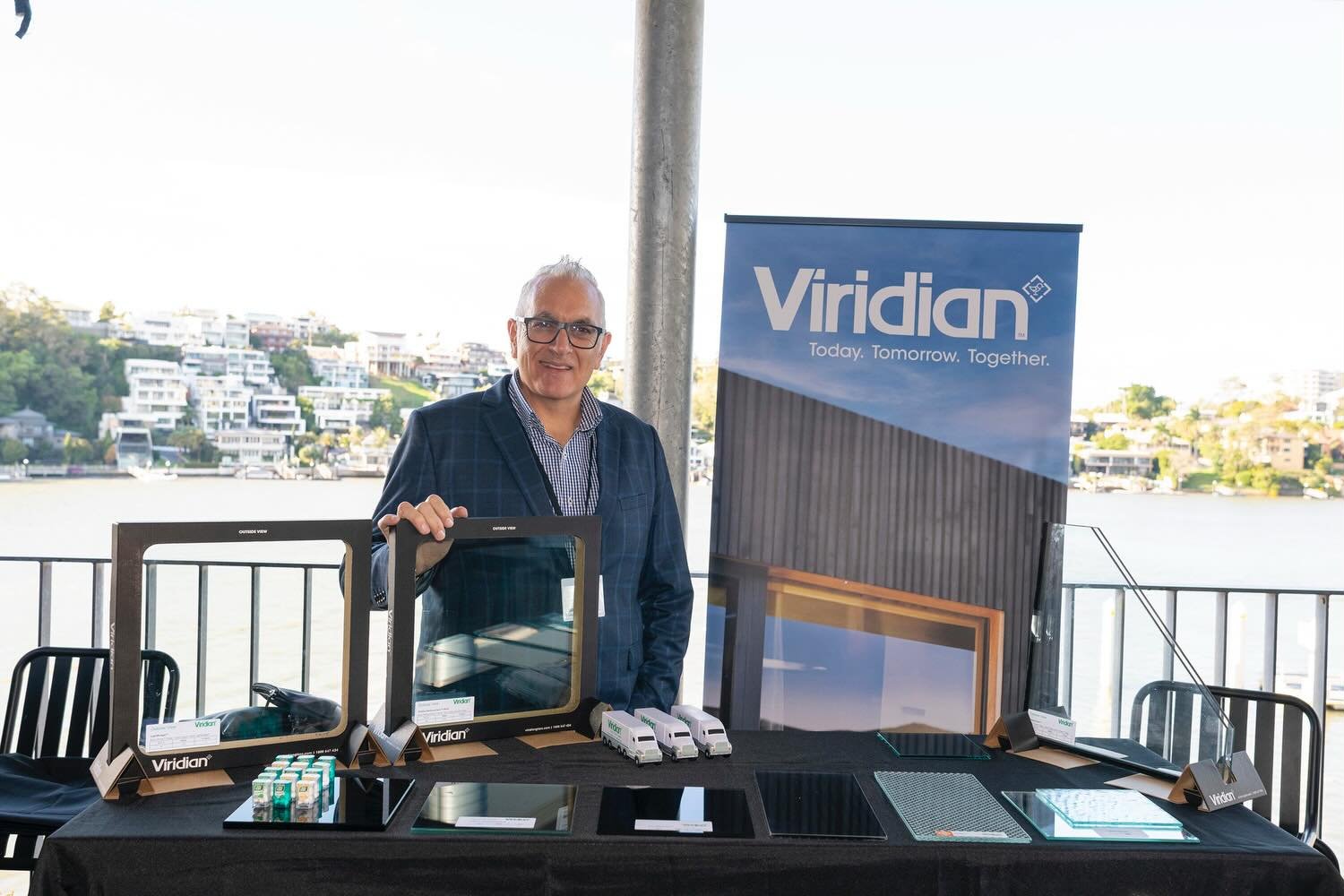
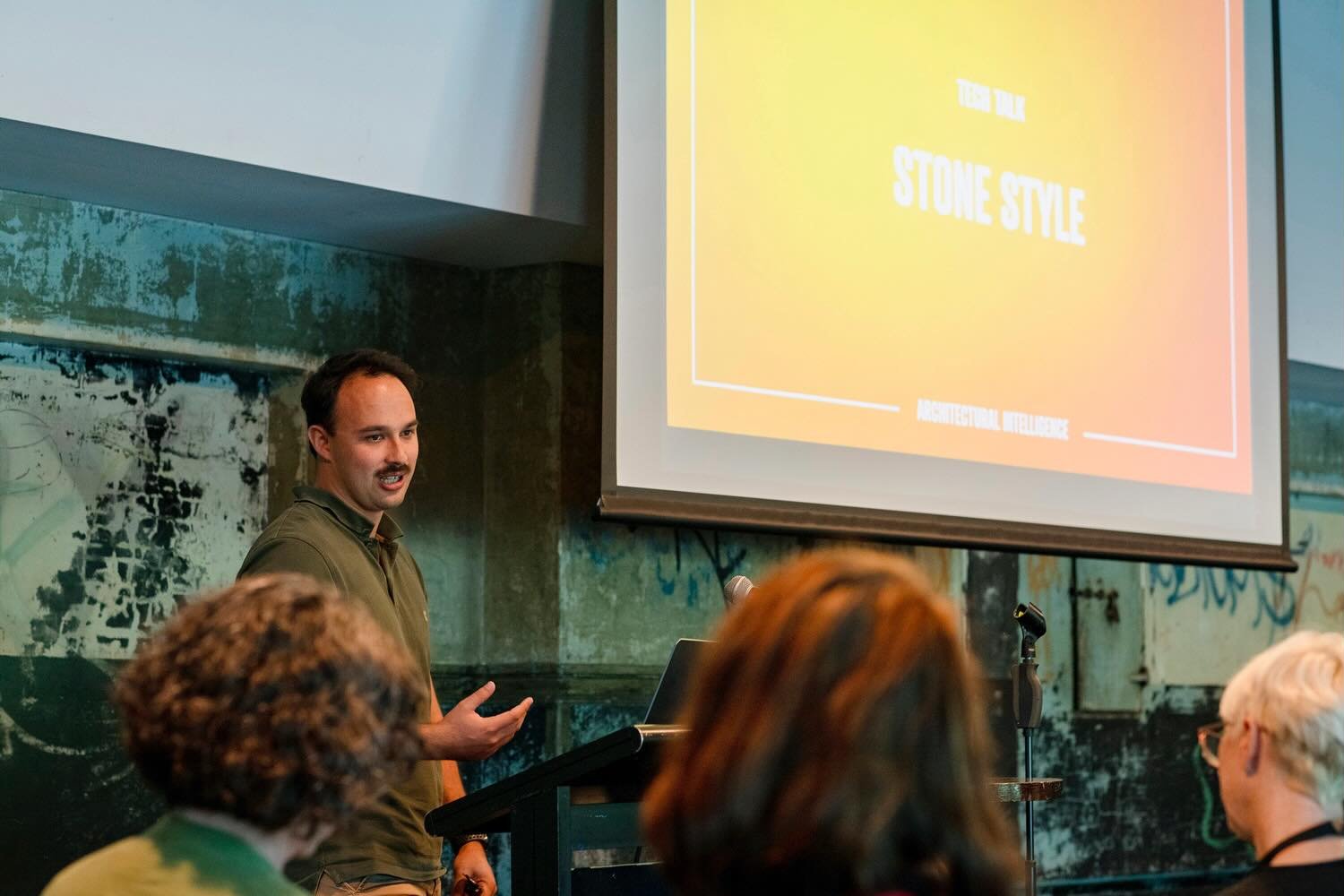
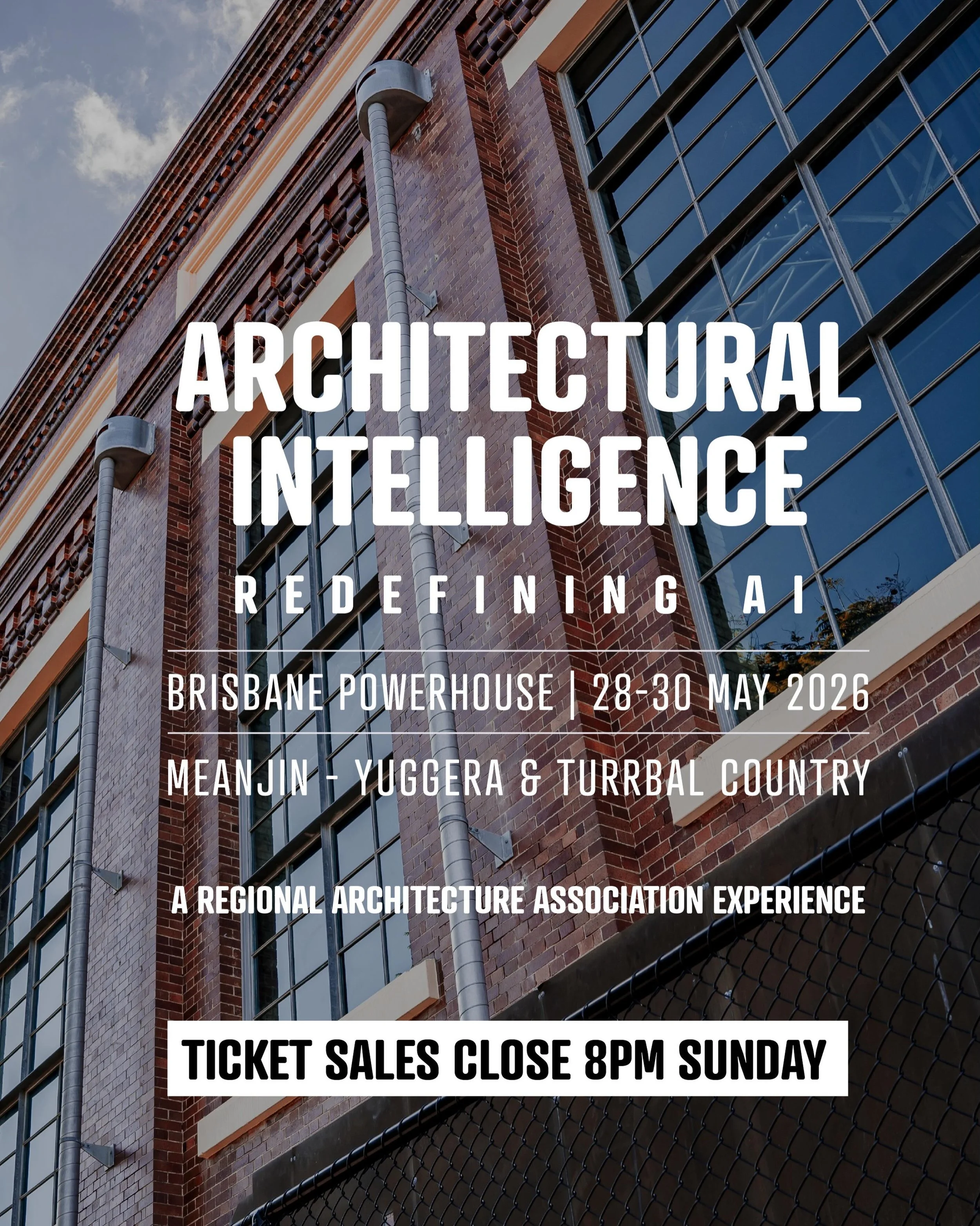
I came to this event from Tasmania, which - if you've ever tried to get out of Tasmania - already requires a certain level of commitment. This was my first time in Brisbane, my first in-person RAA event, and, if I'm being honest, the first time after quite a while that I'd been in a room with that many architects at once outside of a university corridor. I'm a researcher in architectural online media, which means I spend most of my time thinking about how architecture firms present themselves online rather than actually being in rooms with them. So there was a slight irony in arriving at an event titled Architectural Intelligence with a notebook, a recorder, and a mild obsession with Instagram analytics.
The three-day program was structured around a Thursday fringe, a Friday main seminar day at the Brisbane Powerhouse, and a Saturday of site visits. I joined the urban sketching workshop on Thursday afternoon and the Green House site visit on Saturday, framing the main event on either side with a kind of slow, observational bookending that turned out to be oddly appropriate.
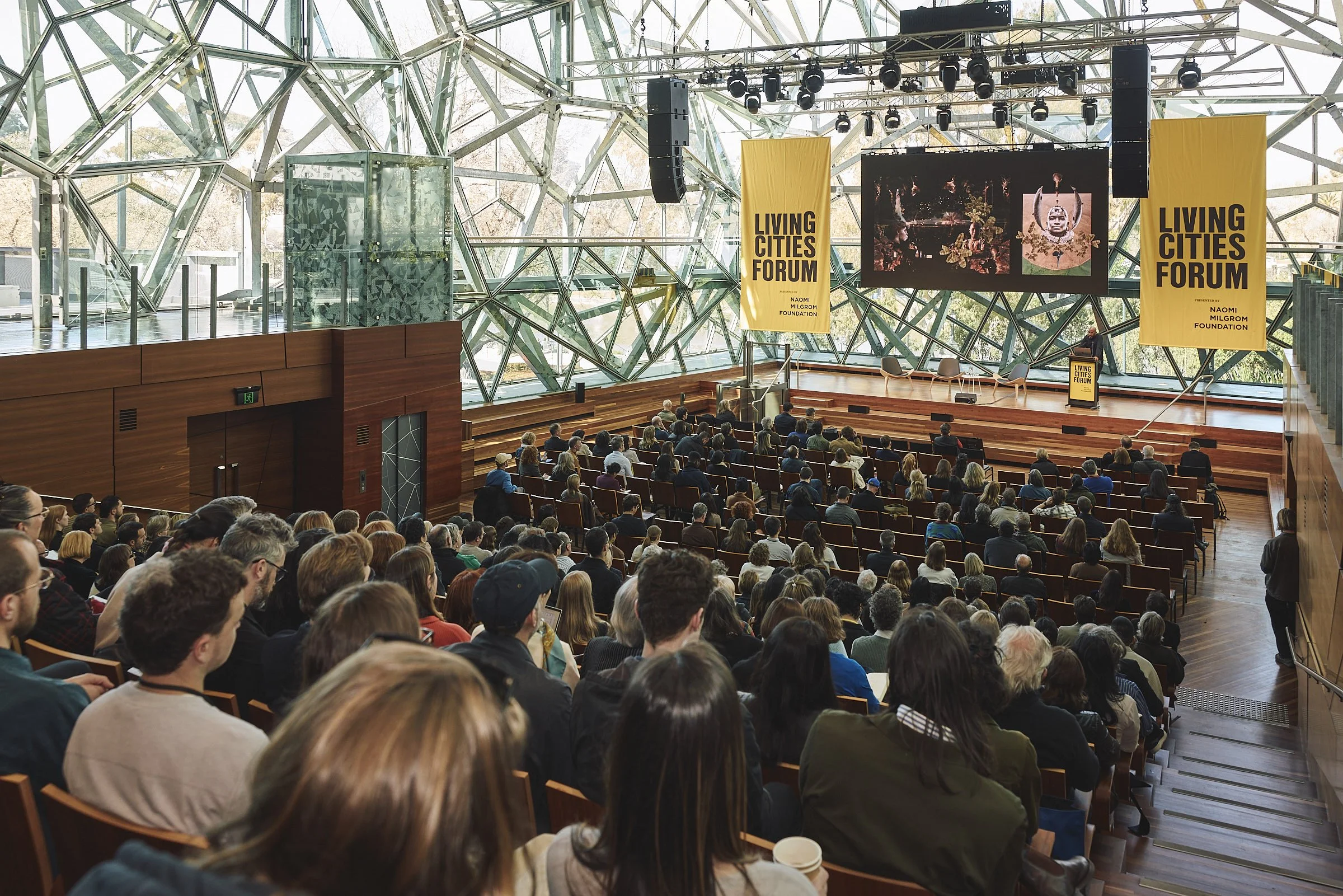
RAA is delighted to be partnering with Living Cities Forum, Australia’s flagship forum for urban designers, thinkers and placemakers.
Presented by the Naomi Milgrom Foundation, Living Cities Forum returns to Melbourne (25 August) and Sydney (28 August) with a line-up of internationally renowned voices exploring the theme: Cities Made With Care. At a moment when cities are being reshaped at unprecedented speed, this year’s Forum examines housing as both infrastructure and identity; revalued not simply as a commodity, but as a foundation of civic life, shaping how people live, move and belong.